
The Beginner’s Guide to Home Cooking
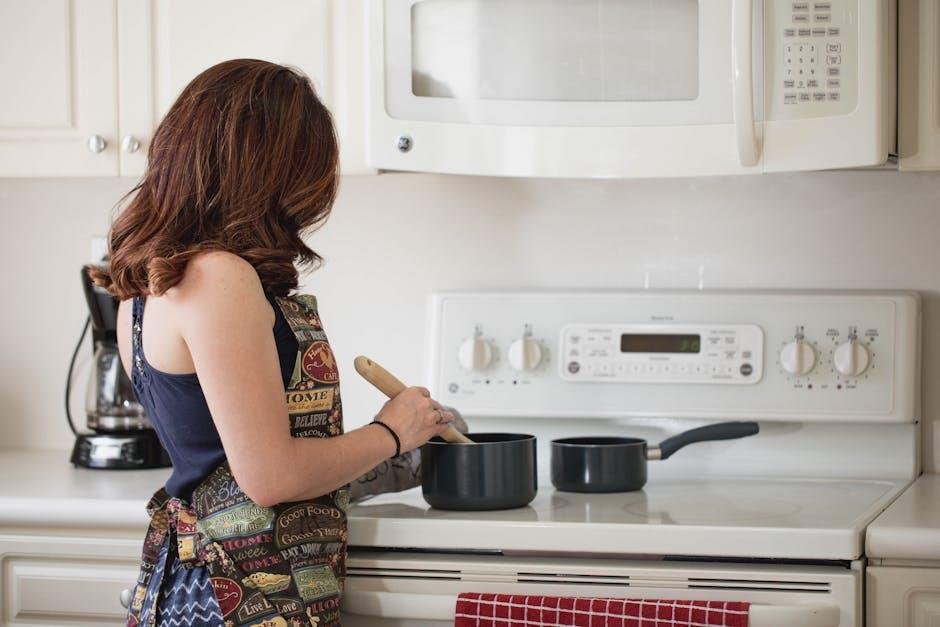
In a world bustling with ready-made meals and takeout options, the art of home cooking often feels like a lost craft—intimidating, complex, and reserved for the culinary elite. Yet, ther’s something undeniably warm and inviting about the scent of a home-cooked meal wafting through the air, the clinking of pots and pans, and the joy of sharing food with loved ones. This beginner’s guide seeks to demystify the world of home cooking, stripping away the fear and uncertainty that can accompany the kitchen. Whether you’re a complete novice or someone who has dabbled but never fully embraced the experience, this guide will empower you with simple techniques, essential tools, and appetizing recipes that spark creativity and confidence. Join us on this journey to transform your kitchen into a realm of productivity and flavor, where every meal is an opportunity for exploration and every recipe tells a story. Let the adventure begin!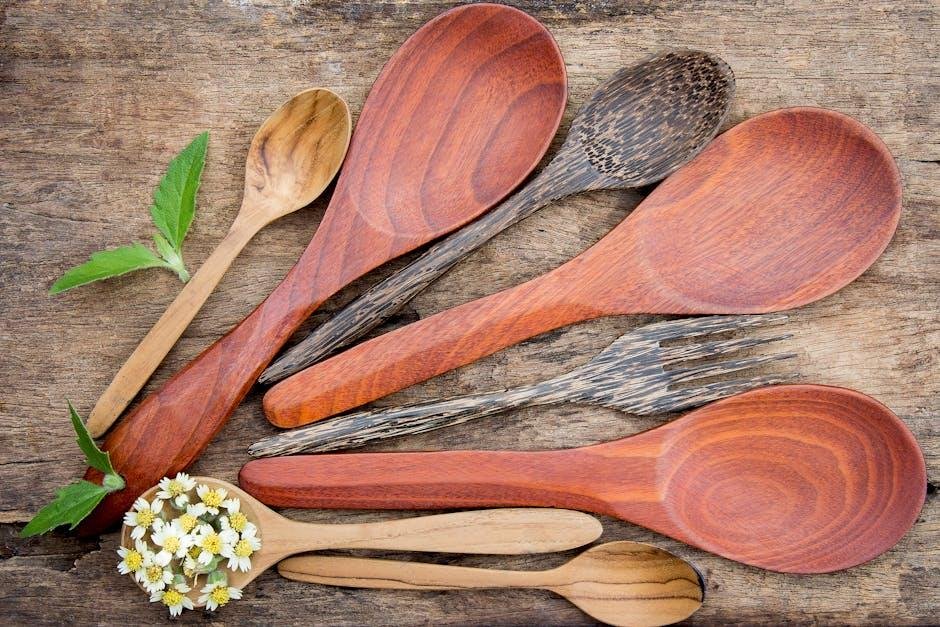
Essential Kitchen Tools for Every Aspiring Chef
As you embark on your culinary journey, arming yourself with the right tools can make all the difference.Investing in high-quality kitchen tools not only boosts your cooking efficiency but also enhances your confidence in the kitchen. Essential items include a sturdy chef’s knife, which serves as the backbone of meal readiness, along with cutting boards that protect your countertops while offering a versatile work surface. A reliable set of measuring cups and spoons ensures accuracy with recipes, while mixing bowls come in handy for everything from tossing salads to preparing dough.
Additionally, consider incorporating essential gadgets that elevate your cooking experience. A good-quality non-stick skillet allows for easy flipping and cooking, while a saucepan is perfect for boiling or simmering. Don’t forget a colander for draining pasta or washing vegetables, and a whisk for incorporating air into batters or emulsifying dressings. Below is a swift reference table of these must-have tools and their primary uses:
| Kitchen Tool | Primary Use |
|---|---|
| Chef’s Knife | Chopping, dicing, and mincing |
| Cutting Board | Preparing ingredients |
| Measuring Cups | Precision in cooking |
| Non-Stick Skillet | Frying and sautéing |

Mastering the Fundamentals: Key Cooking Techniques for Beginners
To embark on your culinary journey, it’s essential to grasp some fundamental cooking techniques that form the backbone of delicious meals. Sautéing, for instance, is a versatile method that involves cooking food quickly in a small amount of oil or fat over high heat, allowing ingredients to retain their natural flavors and textures. Similarly,boiling is a crucial technique used for cooking pasta,vegetables,and grains,ensuring they become tender and flavorful. Mastery of these methods paves the way for exploring a variety of dishes and developing your palate.
Here are several additional techniques every beginner should become familiar with:
- Roasting: A dry heat method that enhances the deep flavors of meats and vegetables.
- Baking: Perfect for creating bread, pastries, and casseroles, using gentle heat from all sides.
- Steaming: This healthy technique retains nutrients in vegetables while adding a light texture.
- Grilling: Adds a smoky flavor and is ideal for meats, vegetables, and even fruits.
| Technique | Key Benefit |
|---|---|
| Sautéing | Retains flavor in quick cooking |
| Boiling | Ensures tenderness in foods |
| Roasting | Brings out rich flavors |
| Baking | Creates a variety of textures |
| Steaming | Preserves nutrients |
Flavor Foundations: Understanding Ingredients and Seasoning
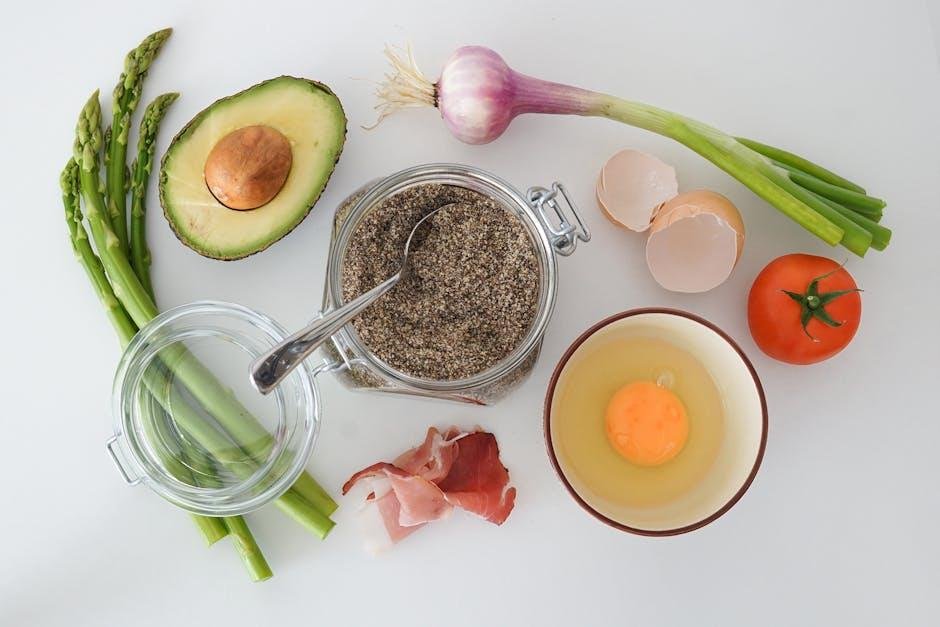
Understanding the essence of flavors is crucial for anyone embarking on their culinary journey. The right ingredients form the backbone of any dish, dictating its taste and aroma. A prosperous cook learns to recognize the fundamental role of fresh herbs, spices, and seasonings. Here are some key players in building your flavor profile:
- Fresh Herbs: Basil, cilantro, and parsley add brightness and depth.
- Spices: Cumin, paprika, and turmeric contribute warmth and complexity.
- Salts: Sea salt, kosher salt, and flavored salts enhance the overall taste.
Layering flavors through thoughtful seasoning can transform simple ingredients into mouth-watering dishes. A balanced approach is essential; start with a base and gradually build your flavor experience. Understanding the intensity of your ingredients allows you to create harmonious blends. Here’s a quick reference for seasoning basics:
| Ingredient Type | Example | Flavor Profile |
|---|---|---|
| Herbs | Thyme | Earthy and aromatic |
| Spices | cinnamon | Warm and sweet |
| Acid | Lemon Juice | Bright and tangy |
| umami | Parmesan Cheese | Savory and rich |
Creating a Meal Plan: strategies for Stress-Free cooking
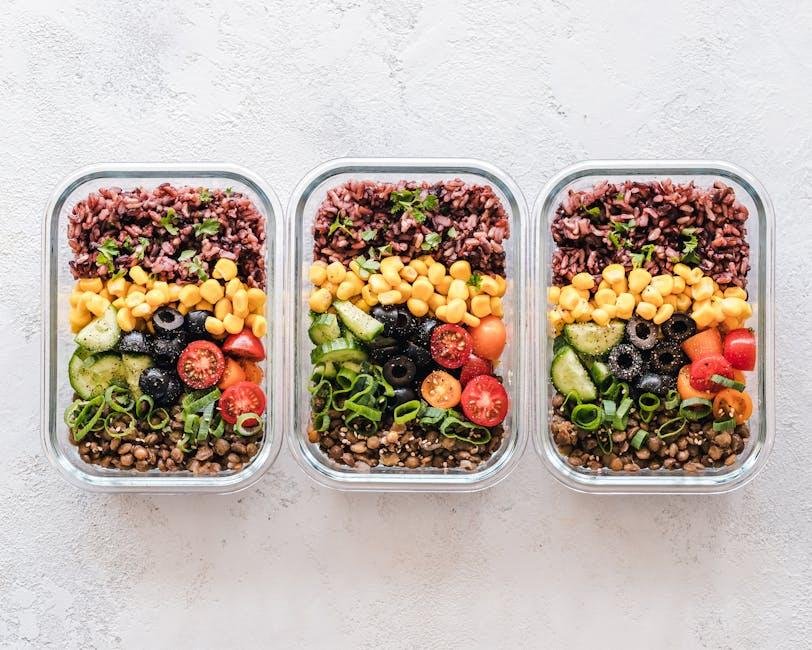
To embark on a successful cooking journey, creating a meal plan can substantially reduce the stress surrounding weeknight dinners and impromptu food decisions. Consider implementing a few practical strategies to establish your cooking rhythm:
- Plan Ahead: Dedicate a specific day each week to outline your meals. This will not only save time but also help you avoid the last-minute scramble.
- Balance Varieties: Strive for a mix of proteins,grains,and vegetables throughout the week for a well-rounded diet.
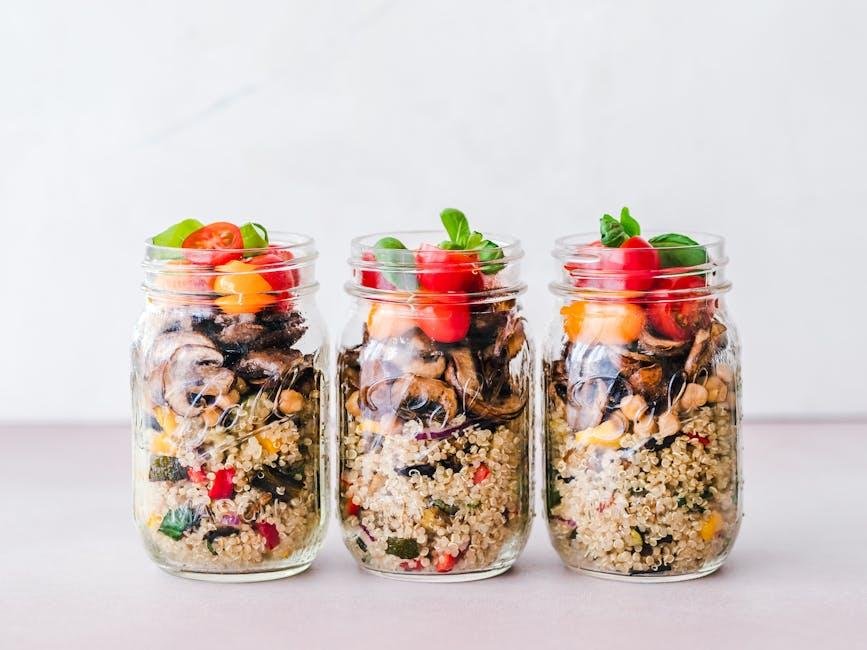
- Batch Cooking: Prepare larger quantities of staples, like grains or sauces, to use across multiple meals, fostering both efficiency and flavor.
Incorporating versatility into your meal plan can make the experience more enjoyable. Rather than prescribing strict meals, consider a framework that allows space for creativity. Here are some tips to keep your cooking spontaneous:
- Theme Nights: Select a theme for each night, such as Meatless Monday or Taco Tuesday, to spark ideas without rigid recipes.
- Inventory Sweep: Before planning, check what ingredients you already have to inspire meals and minimize waste.
- Swap and Adapt: Don’t hesitate to substitute ingredients based on availability or craving—cooking should feel like an adventure!
| Day | Meal Idea | Main Ingredient |
|---|---|---|
| Monday | quinoa Salad | Quinoa |
| Tuesday | Tacos | Ground Turkey |
| Wednesday | Stir Fry | Tofu |
| Thursday | Pasta Primavera | Mixed Vegetables |
| Friday | Homemade Pizza | Pizza Dough |
Final Thoughts
As we draw the curtain on our culinary journey through “The Beginner’s Guide to Home Cooking,” it’s clear that the kitchen is not merely a space for meal preparation; it is a canvas for creativity, a sanctuary for nourishment, and a stage for manny delightful moments. Armed with the fundamentals, you can transform everyday ingredients into extraordinary dishes, welcoming friends and family to share in the fruits of your labor. Remember, every chef starts somewhere, and each recipe is a stepping stone toward mastery. Embrace the certain challenges, celebrate the triumphs, and let your palate guide you as you continue to explore the endless possibilities that home cooking affords.With an open heart and a curious mind, your culinary adventure has only just begun—so tie on that apron, fire up those burners, and savor the joys of creating something truly special from your own kitchen! happy cooking!