


In a world awash with culinary complexities and endless gastronomic trends, there lies a refreshing allure in the simplicity of home cooking. “The Art of Simple Cooking: Back to Basics” invites us to peel away the layers of extravagant techniques and elaborate presentations, returning instead to the heart of food—authentic flavors and uncomplicated methods. Here, we celebrate the joy of cooking as an accessible craft, emphasizing the beauty of fresh ingredients and the satisfaction that comes from preparing a nourishing meal with minimal fuss. This exploration serves not only as a guide to honing your kitchen skills but also as a gentle reminder that the most profound culinary experiences often spring from the simplest of recipes. Join us on this journey back to the basics, where creativity flourishes in restraint, and every dish tells a story of simplicity and taste.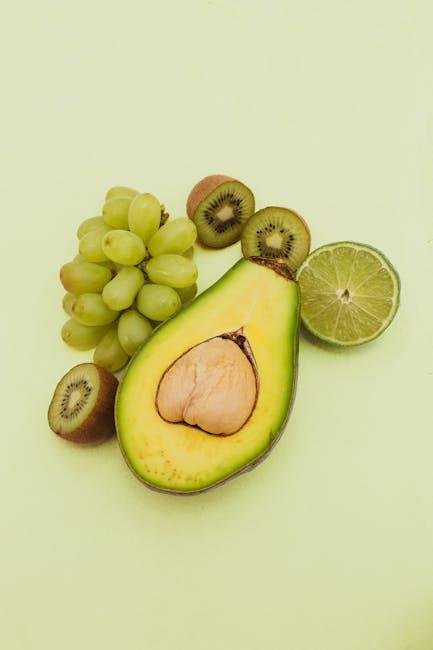
Exploring the Joy of Minimal Ingredients
Embarking on a culinary journey with minimal ingredients can unveil a world of flavors and textures that often go unnoticed. When you strip down recipes to their essence, you free yourself from the clutter of overcomplication. By focusing on just a few quality components, you allow each ingredient to shine. Imagine transforming a humble tomato, a clove of garlic, and a drizzle of olive oil into a sublime pan sauce that elevates any dish. The beauty of simple cooking lies in its ability to highlight the natural goodness of whole foods, making each bite a party of purity.
To maximize the joy of cooking with fewer ingredients, consider embracing seasonal produce. Fresh fruits and vegetables not only enhance your meals but also support local farmers and sustainable practices. Here are a few fundamental elements that can ignite creativity in your kitchen:
- Herbs: Fresh mint, basil, or cilantro can add a burst of flavor.
- Spices: A pinch of salt and a dash of pepper can transform the mundane.
- Fats: Olive oil, butter, or coconut oil create richness.
- Proteins: Eggs, legumes, or simple cuts of meat provide sustenance.
By limiting yourself to a core set of ingredients, you’ll find it easier to experiment and innovate. Consider using the following simple template to inspire diverse meals:
| Base Ingredient | Flavor Enhancer | Texture Element |
|---|---|---|
| Pasta | Garlic and oil | Parmesan cheese |
| Rice | Cilantro and lime | Chopped nuts |
| Salad | Balsamic vinegar | Feta cheese |
With this framework,you can easily create delicious meals that celebrate simplicity and the joy of cooking with fewer ingredients.Each dish becomes not just a meal, but an experience drawn from the art of simplicity.
Mastering Essential Techniques for Flavorful Dishes
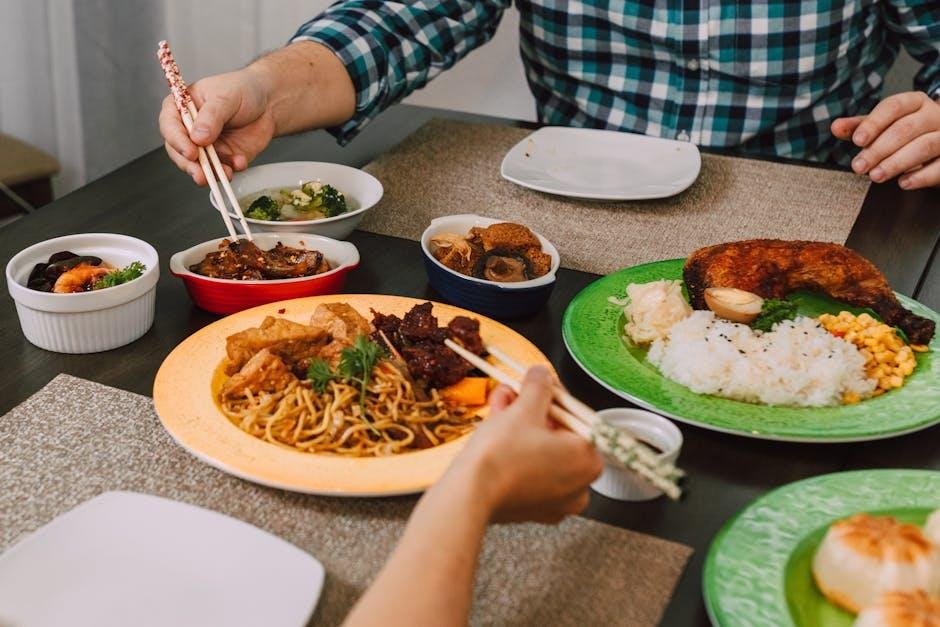
Cooking is an art that thrives on the beauty of simplicity,and mastering the essential techniques can transform even the humblest ingredients into glorious dishes. Begin with proper seasoning, as it serves as the foundation for enhancing flavors. Use salt,pepper,and herbs judiciously to bring out the natural taste of your ingredients. Consider these basic methods:
- Brining: Enhances moisture and flavor in meats.
- Marinating: Infuses proteins and vegetables with vibrant tastes.
- reducing: Intensifies sauces by concentrating flavors.
Another cornerstone technique is the art of balancing flavors,which involves understanding the interplay of sweetness,sourness,bitterness,and umami. Achieve this harmony by experimenting with components like vinegar, citrus zest, or honey.Here’s a simple guide for balancing flavors:
| Flavor Category | Typical Ingredients |
|---|---|
| Sweet | Honey, sugar, fruit |
| Sour | Lemon juice, vinegar |
| Salty | salt, soy sauce |
| Umami | Tomatoes, mushrooms, cheese |
The role of Fresh, Seasonal Produce in Simple Cooking
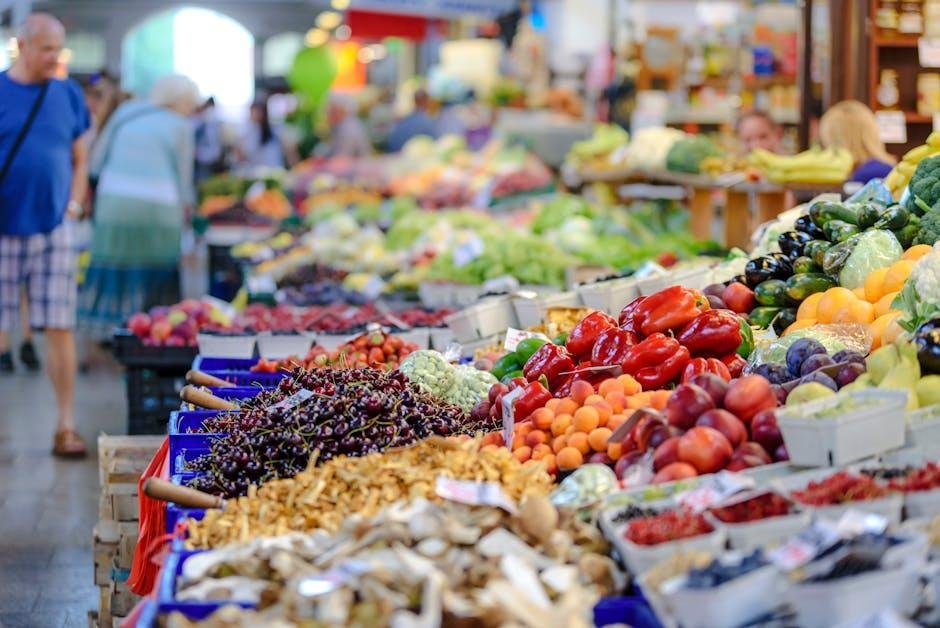
Using fresh, seasonal produce can transform simple cooking from mundane to unusual. When ingredients are at their peak ripeness, they carry the essence of the season, bursting with flavor and nutrients. This not only elevates the taste of your meals but also allows for a creative culinary canvas. By focusing on what’s currently available at local markets, you can easily craft dishes that celebrate nature’s cycles. Choosing seasonal fruits and vegetables not only supports local farmers but also encourages sustainability, putting less strain on transportation costs and emissions.
Another advantage of cooking with fresh produce is the inspiration it provides in the kitchen. As you explore what’s in season, you may find yourself experimenting with new combinations and techniques. Consider creating seasonal ingredient lists or even a simple meal plan based on what’s ripe. Here’s a rapid reference table highlighting some seasonal produce:
| Season | Fruits | Vegetables |
|---|---|---|
| Spring | Strawberries,Rhubarb | Asparagus,Peas |
| Summer | Cherries,Peaches | Zucchini,Tomatoes |
| Fall | Apples,Pears | Squash,Brussels Sprouts |
| Winter | Citrus Fruits,Pomegranates | Kale,Root Vegetables |
In your pursuit of simplicity,let the vibrant colors and natural textures of each season guide your cooking. Feeling inspired by the ingredients themselves can lead to quick meals that are not only easy to prepare but also deeply satisfying. Embrace the beauty of simplicity and let nature’s bounty shine on your plate!
building a Well-Stocked Kitchen for Effortless Meals
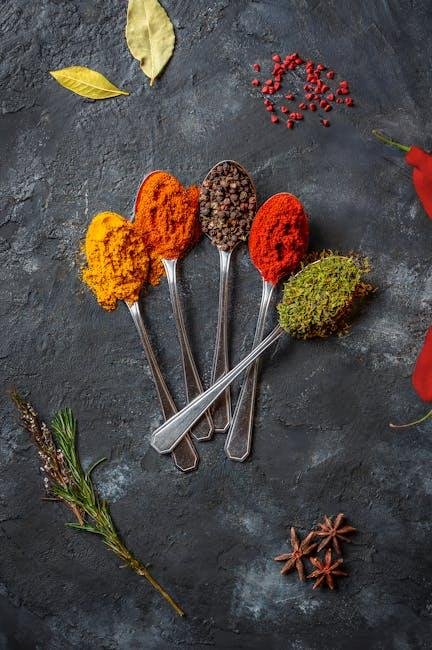
To create a kitchen that fosters effortless meal readiness, begin by stocking your pantry with essentials that serve as the backbone for countless dishes. Focus on ingredients that are versatile and long-lasting, such as:
- Grains: Rice, pasta, quinoa, and oats
- Canned Goods: Tomatoes, beans, and coconut milk
- Herbs & Spices: Basil, cumin, garlic powder, and salt
- Oils & Vinegars: Olive oil, vegetable oil, and apple cider vinegar
Next, equip your kitchen with fundamental tools that simplify cooking and encourage creativity. Investing in quality utensils makes all the difference. Essential items include:
- Knives: A chef’s knife and paring knife
- Cookware: A sturdy skillet and a versatile pot
- Measuring Tools: Measuring cups and spoons
- Cutting Boards: One for meats and one for vegetables
With these basics in place, you’ll find that the art of cooking becomes remarkably enjoyable and accessible.
Key Takeaways
In a world brimming with culinary complexity and an abundance of choices, “The Art of Simple Cooking: Back to Basics” reminds us of the beauty and satisfaction found in simplicity. Embracing fundamental techniques and fresh ingredients not only elevates our dishes but also reconnects us with the core joy of cooking.As we peel back the layers of our culinary creations, let us take a moment to appreciate the artistry in restraint, the flavor in simplicity, and the nourishment that comes from knowing how to cook with confidence.So, let us embark on this journey to rediscover the basics—because it’s not just about the food we create, but the stories we tell and the memories we share around our tables. Happy cooking!