
The Art of Mediterranean Cooking: A Journey Through Flavor and Tradition
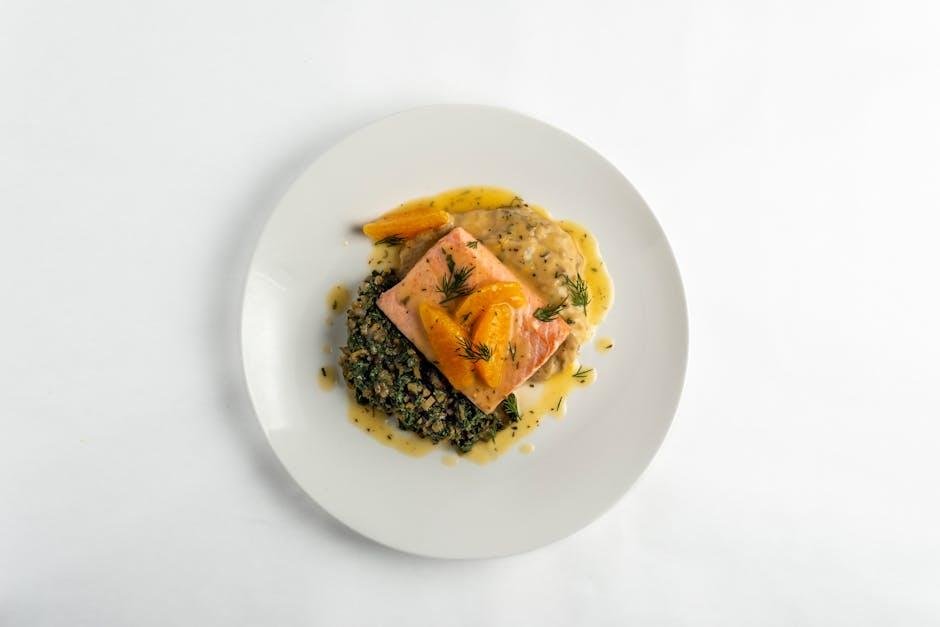
In the sun-drenched landscapes of the Mediterranean, where olive trees stretch toward azure skies and vibrant markets overflow with fresh produce, a rich tapestry of culinary traditions has evolved over centuries. The art of Mediterranean cooking is not merely about preparing meals; it is an enchanting fusion of history, culture, and the bounty of nature—a celebration of life that invites us to gather, share, and savor. From the zesty olive oils of Greece to the fragrant spices of North Africa, each dish tells a story, weaving together the diverse influences that have shaped this cherished cuisine. In this exploration,we will delve into the techniques,ingredients,and philosophies that make mediterranean cooking a timeless and beloved practice,inviting you to embark on a flavorful journey that transcends borders and ignites the senses.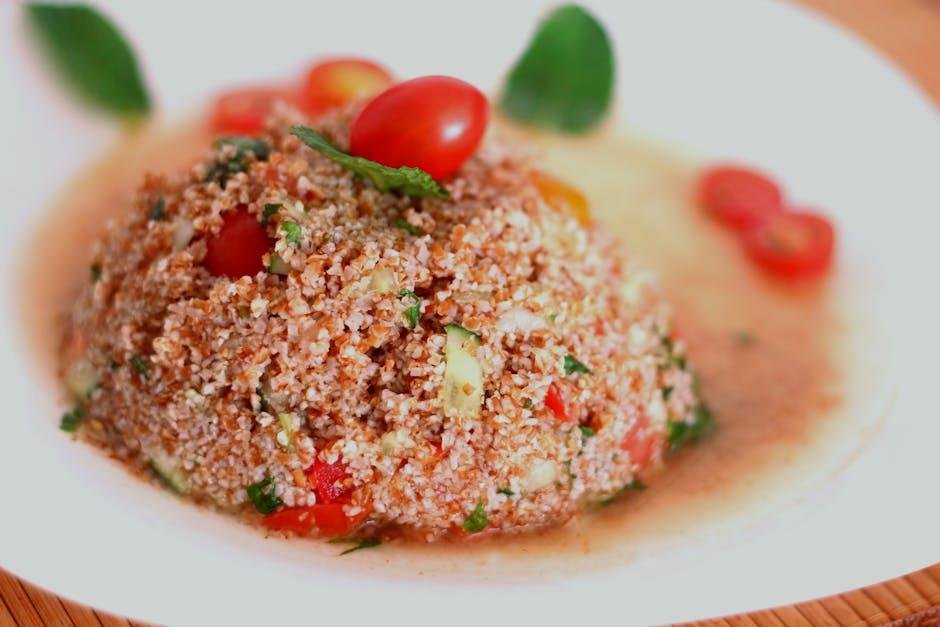
Exploring the Flavors of the Mediterranean Palette
Delving into the rich tapestry of Mediterranean cooking reveals a vibrant landscape of flavors that celebrate both tradition and freshness. the region’s culinary identity thrives on the harmonious balance of ingredients, where herbs, spices, and seasonal produce create mouthwatering dishes that resonate with the sun-kissed earth. Iconic staples such as olive oil,feta cheese,and couscous play a central role,transforming simple meals into memorable feasts.Each country contributes its unique twist, highlighted by local specialties that showcase the diversity within the Mediterranean palette.
The beauty of Mediterranean cuisine lies in its emphasis on wholesome, minimally processed foods that foster both health and enjoyment. Consider the following elements that embody this culinary artistry:
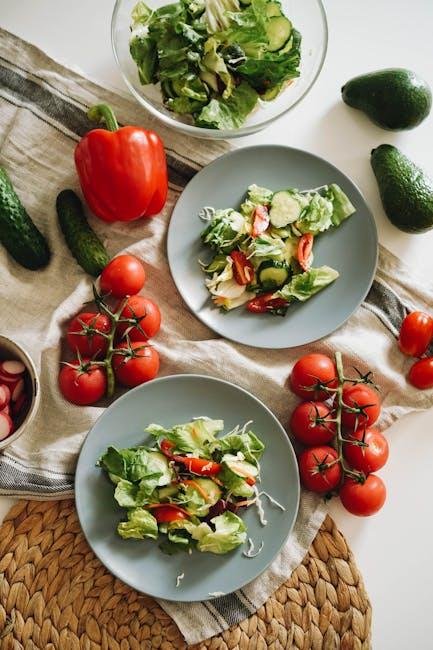
- Fresh Vegetables: Tomatoes, peppers, and eggplants are celebrated for their robust flavors, often featured in vibrant salads or rustic ratatouilles.
- Grains and Pulses: Whole grains like farro and flavorful legumes like chickpeas form the basis for nourishing pilafs and stews.
- seafood: From grilled octopus to succulent shrimp, the bounty of the sea adds depth and richness to many dishes.
| Ingredient | Common Uses | Health benefits |
|---|---|---|
| Olive Oil | Dressings, cooking | Rich in healthy fats, antioxidants |
| Garlic | Sauces, marinades | Supports heart health, boosts immunity |
| Herbs (Oregano, Basil) | Seasoning, garnishing | Rich in vitamins, anti-inflammatory |
As you embark on your culinary journey through the Mediterranean, seize the opportunity to experiment with these ingredients, allowing your taste buds to embrace the symphony of flavors that define this culturally rich cuisine. Each dish tells a story, rooted in heritage and crafted with care, inviting you to savor every bite while discovering your own interpretations of these timeless recipes.

Essential Ingredients: Building Your Mediterranean Pantry
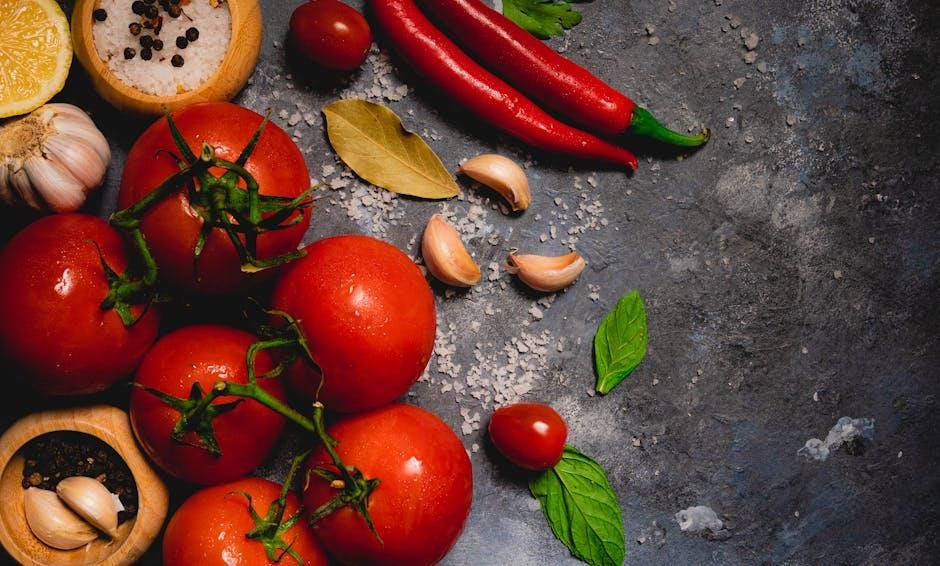
Creating a Mediterranean pantry means embracing a vibrant array of flavors that awaken your culinary senses. The cornerstone of this cuisine is extra virgin olive oil, which enhances dishes with its rich, fruity taste and health benefits. Coupled with this are fresh herbs like basil,oregano,and parsley,which add depth and aroma,transforming simple meals into unusual feasts. Don’t forget the versatility of canned tomatoes, whether whole, crushed, or diced, as they serve as the base for sauces and stews. Moreover, incorporating various grains like farro, bulgur, and couscous will offer delightful textures and also essential nutrients to elevate your dishes.
For those with a penchant for bold flavors, olives and capers are must-haves, effortlessly injecting brininess into salads and tapenades. A selection of cheeses, such as feta or aged pecorino, brings a distinct creaminess that balances other ingredients beautifully. To round out your Mediterranean pantry, don’t overlook nuts and seeds like almonds and pine nuts, which lend crunch and nutrition. Lastly, a stash of dried fruits like figs and apricots will offer a sweet contrast in both savory and sweet dishes, making each meal an ode to the rich culinary heritage of the Mediterranean.
Techniques and Traditions: The Heart of Mediterranean Cuisine
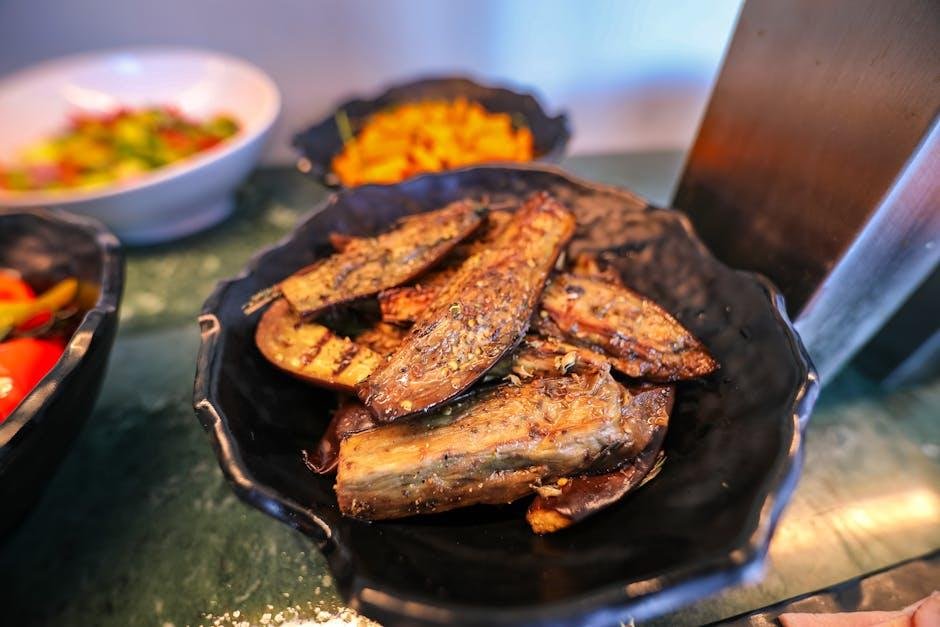
Mediterranean cuisine is a vibrant tapestry woven with rich traditions and diverse techniques that echo the cultures of the regions bordering the Mediterranean Sea. The hallmark of this culinary art is its focus on fresh ingredients, such as olive oil, garlic, fresh herbs, and seasonal vegetables, cultivated through centuries of local farming practices. Traditional methods like sun-drying tomatoes or fermenting olives showcase the ingenuity of ancient peoples who sought to preserve the bounties of the sun-drenched landscape. Each technique nurtures a connection to the land, giving rise to flavors and textures that define the essence of Mediterranean dishes.
The way these culinary practices are passed down through generations enriches the dining experience with a sense of history and belonging. Families gather to prepare meals using time-honored recipes, often while sharing stories that bond them together. Here are some beloved techniques regularly employed in mediterranean cooking:
- Grilling: Celebrating the natural smoky flavor of meats and vegetables.
- Stewing: Creating deep, complex flavors by slow-cooking ingredients in a broth.
- Fermentation: Enhancing the taste and preserving ingredients, as seen in pickled vegetables.
- Layering: Building flavor profiles through the careful addition of spices and aromatics.
In addition, a glimpse into the essential herbs and spices used in Mediterranean cuisine reveals how these elements contribute to its unique charm:
| Herb/Spice | Flavor Profile | Culinary Use |
|---|---|---|
| Oregano | Earthy and fragrant | Common in marinades and tomato sauces |
| Basil | Sweet and peppery | Pesto, salads, and Mediterranean pasta dishes |
| Saffron | Subtle and floral | Used in seafood dishes and paellas |
| Rosemary | Pine-like and woody | perfect for roasting meats and vegetables |

Signature Dishes: A Culinary journey Through the Region
The Mediterranean region is a tapestry of cultures and traditions, each weaving its unique flavors into the culinary landscape. From the sun-kissed shores of Italy to the vibrant markets of Morocco, every dish tells a story, drawing inspiration from the land and sea. Notable ingredients that define these signature dishes include:
- olive Oil: The liquid gold that enhances every meal.
- Fresh Herbs: Such as basil, mint, and oregano, adding aromatic depth.
- Seafood: A staple in coastal regions, often grilled or poached.
- Cured Meats: Like prosciutto and chorizo, lending rich umami flavors.
- Cheeses: Feta,mozzarella,and pecorino provide distinct textures and tastes.
Sampling signature Mediterranean dishes offers a true feast for the senses. Iconic preparations like Paella from Spain, often a symphony of rice, saffron, and seafood, reflect the communal spirit of dining. Meanwhile, Baba Ganoush showcases the earthy tones of roasted eggplant, beautifully paired with warm pita. To truly appreciate these flavors, consider the culinary traditions that influence each plate:
| Dish | Country | Main Ingredients |
|---|---|---|
| Paella | Spain | Rice, saffron, seafood, chicken |
| Hummus | Lebanon | Chickpeas, tahini, lemon juice |
| Ratatouille | France | Eggplant, zucchini, tomatoes, herbs |
| Caponata | Italy | Eggplant, tomatoes, olives, capers |
| Baklava | Turkey | Phyllo, nuts, honey, cinnamon |
Concluding Remarks
As we conclude our exploration of “The Art of Mediterranean Cooking,” it becomes clear that this culinary tradition is more than just a collection of recipes; it is indeed a vibrant tapestry woven from the rich histories, cultures, and landscapes of the Mediterranean basin. Each dish tells a story, reflecting the essence of sun-soaked coasts, fragrant herbs, and the communal spirit of shared meals.
Embracing these flavors invites us not onyl to savor the food but also to connect with the traditions that have shaped them over centuries. From the zesty brightness of a lemon-infused risotto to the earthy warmth of a slow-cooked ratatouille, the Mediterranean kitchen offers an endless array of inspirations that celebrate simplicity, freshness, and balance.So,whether you’re a seasoned chef or a curious home cook,let your culinary journey continue with a sprinkle of creativity and a dash of adventure.As you gather ingredients and cook up these iconic dishes, remember that each meal is an opportunity to nourish both body and soul, bringing the essence of the Mediterranean into your home. Bon appétit!