
Title: Mastering the Art of Rice: Perfectly Cooked Every Time
Introduction:
Rice, the humble grain that spans cultures and cuisines, is frequently enough heralded as a staple of nourishment and comfort. Yet,amidst its universal appeal,many home cooks find themselves grappling with the simple task of cooking it to perfection. Overcooked or undercooked, too sticky or too dry—rice can be a tricky companion in the kitchen. But fear not! In this guide, we will unravel the secrets to achieving fluffy, flavorful rice that serves as the foundation for countless dishes. Whether you’re aiming to complement a vibrant stir-fry, a hearty curry, or simply enjoy a bowl of plain rice, mastering this essential skill will elevate your culinary repertoire. Join us as we explore foolproof techniques, tips, and tricks that will ensure you serve perfectly cooked rice every single time.
Mastering the Basics of Rice Selection and Preparation
Choosing the right type of rice is crucial for achieving that perfect texture and flavor in your dish. Whether you prefer long-grain varieties like Basmati or Jasmine, or short-grain options such as Sushi rice, each type brings a unique quality to the table. Consider the desired outcome of your recipe and match it with the appropriate rice to enhance the dish:
- Basmati – Fluffy and aromatic,ideal for pilafs
- Jasmine - Slightly sticky,perfect for Southeast Asian dishes
- Long Grain – Stays separate when cooked,great for salads
- Short Grain – Creamy and sticky,excellent for sushi
Once you’ve selected your rice,the next step is preparation.Rinsing rice is a simple yet effective way to remove excess starch, which can lead to gummy grains. After rinsing, its essential to measure the water carefully to ensure optimal cooking. A general guideline is to use a water-to-rice ratio of:
| Rice Type | Water Ratio |
|---|---|
| Long Grain | 1 cup rice : 2 cups water |
| Short Grain | 1 cup rice : 1.5 cups water |
| Brown Rice | 1 cup rice : 2.5 cups water |
Bringing the water to a boil before adding the rice also helps in achieving even cooking. Cover with a tight-fitting lid, reduce the heat, and let it simmer gently. Avoid lifting the lid during cooking to retain steam and moisture. Following these fundamentals will set you well on your way to mastering the art of rice cooking!

The Art of Water Ratios and Cooking techniques
Understanding water ratios is essential in achieving the perfect texture and flavor in your rice. Depending on the type of rice you use, the required water-to-rice ratio may vary. Such as:
- Long-grain rice: 1 cup of rice to 2 cups of water
- Medium-grain rice: 1 cup of rice to 1.5 cups of water
- Short-grain rice: 1 cup of rice to 1.25 cups of water
Moreover, the cooking technique plays a crucial role in the final product. Start by rinsing the rice thoroughly to remove excess starch, which can lead to a gummy texture. Use a pot with a tight-fitting lid to retain steam effectively, and bring your water to a boil before adding the rice. Once it’s boiling, reduce the heat, cover, and let it simmer:
| Cooking Stage | Time (minutes) |
|---|---|
| Bring to boil | 5 |
| Simmer | 15-20 |
| Rest (off heat) | 10 |
This method allows the rice to absorb the right amount of water, becoming fluffy and delectable. A light fluff with a fork post-cooking can elevate the presentation, adding to the overall experience.
Unlocking Flavor: seasoning and Enhancing Your Rice
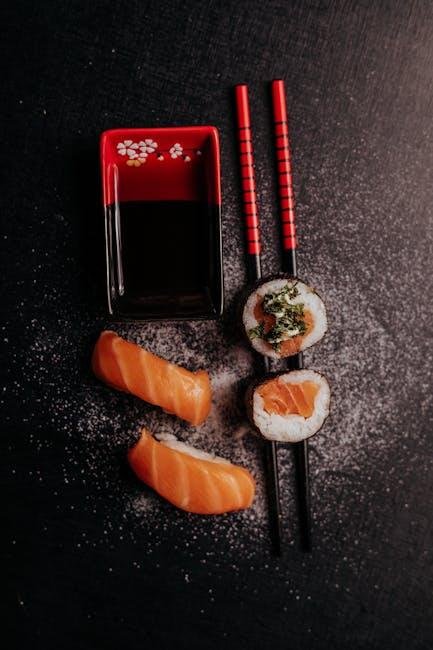
Transform your rice from a bland side dish to a flavorful masterpiece with just a few simple enhancements. The key to an exciting rice dish lies in the seasoning method and the ingredients you choose. Start by cooking your rice in a broth—be it vegetable, chicken, or beef—rather than water. This subtle change infuses your grains with an added depth of flavor. You can also incorporate spices during cooking. A pinch of salt, a dash of garlic powder, and a sprinkle of turmeric can elevate the taste tremendously. Experiment with spices such as cumin, paprika, or curry powder to discover a combination that resonates with your palate.
After cooking,consider mixing in fresh or dried herbs like cilantro,parsley,or basil for a burst of freshness. For a tempting twist, try adding toasted nuts or seeds such as almonds or sesame for a crunchy texture. If you prefer a hint of sweetness, a touch of coconut milk or finely chopped dried fruits can add an ethereal quality to your dish. Here’s a speedy overview of potential ingredients to enhance your rice:
| Ingredient | Flavor Profile |
|---|---|
| Broth | Rich and savory |
| Spices | Warm and aromatic |
| Fresh Herbs | Bright and lively |
| Dried Fruits | Sweet and chewy |
| Nuts/Seeds | Crunchy and nutty |
Troubleshooting Common Rice Cooking Challenges
Cooking rice can sometimes feel like a battle, and even experienced cooks may encounter challenges. One common issue is rice being too sticky or clumpy.This often happens when the rice is not rinsed before cooking.Rinsing helps to remove excess starch, resulting in fluffier grains. If you find yourself with sticky rice, try spreading it on a baking sheet and letting it cool for about 10 minutes, then fluffing gently with a fork. Alternatively, adding a teaspoon of oil or butter during cooking can help reduce stickiness.
Another frequent problem is undercooked or overcooked rice. To navigate this, it is indeed essential to follow the proper water-to-rice ratio.For most types of rice, a standard ratio is 2 cups of water for every 1 cup of rice. If you’re using brown rice or specialized varieties,check the specific cooking instructions,as these can vary significantly. Here’s a quick reference table for common rice types:
| Rice Type | Water Ratio | Cooking Time |
|---|---|---|
| White Rice | 2 cups | 15-20 minutes |
| Brown Rice | 2.5 cups | 40-45 minutes |
| Jasmine Rice | 1.5 cups | 15-20 minutes |
| Basmati Rice | 1.75 cups | 20-25 minutes |
Insights and Conclusions
As you wrap up your culinary journey into the world of perfectly cooked rice, remember that this humble grain holds the power to bring meals to life, elevate everyday dishes, and even create lasting memories around the table. With practice and a few simple techniques in your toolkit, you’ll discover that rice can be a canvas for your creativity and a staple in your kitchen repertoire. Whether you’re preparing a delicate jasmine to accompany a fragrant curry or fluffing up a hearty brown rice for a nourishing stir-fry, the secrets to flawless rice cooking are now at your fingertips. Embrace the process, experiment with flavors, and most importantly, enjoy the delicious results. So go forth, fellow home chef, and make every grain count! Your perfect bowl of rice awaits.