


A Taste of Italy: Authentic Pasta Recipes to Try
Italy,a land renowned for its enchanting landscapes,rich history,adn vibrant culture,offers an irresistible culinary treasure that captivates the senses—pasta. With each twirl of a fork and every delightful bite, pasta takes us on a journey through the heart of Italian tradition, where simplicity meets sophistication. From the rolling hills of Tuscany to the bustling streets of Rome, the myriad shapes, sauces, and styles of pasta reflect the diverse regions and the passionate spirit of the people who create them. In this article, we invite you to explore the essence of Italian cuisine through a selection of authentic pasta recipes, each beautifully illustrating the artistry behind this beloved staple. Whether you are a seasoned chef or a curious home cook, these recipes will transport you to italy’s charming kitchens, beckoning you to savor the flavors and tales that have been passed down through generations. Buckle your apron and prepare to embark on a culinary adventure that promises both nostalgia and inspiration.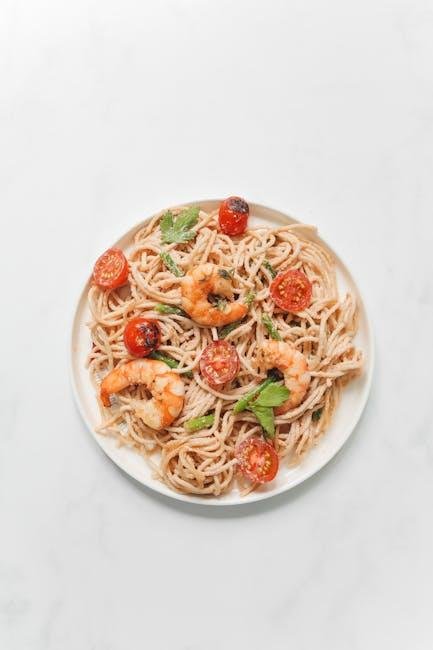
Exploring the Regional Varieties of Italian Pasta
Italy’s culinary landscape is a tapestry of flavors, with each region boasting its unique pasta varieties that reflect local ingredients and traditions. As an example, the Emilia-Romagna region is celebrated for its long, flat noodles known as tagliatelle, often paired with hearty ragù sauces, while the southern regions, like Campania, are famous for pasta alla Genovese that feature shapes like ziti or paccheri. Each form of pasta is expertly crafted, whether it’s the delicate, stuffed varieties like tortellini from Bologna or the rustic, hand-rolled orecchiette from Puglia, providing a rich canvas for flavors ranging from earthy wild boar to rich tomato sauces.
The variety extends beyond shapes and fillings; the pasta’s cooking methods and dressings highlight regional distinctions. In sicily, you might find busiate, a spiral pasta, served with a vibrant sauce of almond pesto, while in the northern valleys, gnocchi made from potatoes evokes comfort with a drizzle of sage butter. Here’s a glance at some key regional pasta types and their signature dishes that you can recreate at home:
| Region | Pasta Type | Signature Dish |
|---|---|---|
| emilia-Romagna | Tagliatelle | Tagliatelle al Ragù |
| Campania | ziti | Genovese |
| Puglia | Orecchiette | Orecchiette con Cime di Rapa |
| Sicily | Busiate | Busiate al Pesto Trapanese |
| Trentino-Alto Adige | Canederli | Canederli in Brodo |
Essential Techniques for Perfecting Homemade Pasta
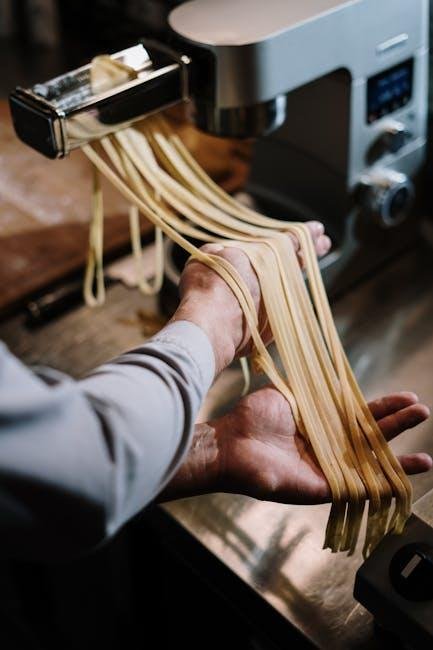
To create pasta that’s as divine as what you’d find in an Italian trattoria, mastering the dough is essential. Start with the basic ingredients: high-quality flour, eggs, and a pinch of salt.For every 100 grams of flour, use one egg for a rich and velvety texture. Don’t hesitate to experiment with different flours; for instance, adding a bit of semolina will give your pasta a delightful bite. When mixing, create a well in the center of the flour, adding the eggs and salt gradually as you combine them with a fork. Knead the dough for about 10 minutes until smooth, then wrap it in cling film and let it rest for at least 30 minutes to allow the gluten to relax. This makes the rolling process much smoother,resulting in thin sheets that hold sauces beautifully.
The rolling and cutting stages reveal the artistry of homemade pasta. Use a pasta machine for consistent thickness, adjusting the settings until you achieve a desired paper-like quality.Remember to dust both sides with flour to prevent sticking. When it comes time to cut, there are various styles to explore, each lending its own charm to your dishes. Whether you’re crafting fettuccine, tagliatelle, or ravioli, ensure you cut with a sharp knife or pasta cutter for clean edges. Here’s a simple table to illustrate common pasta types and their ideal sauces:
| Pasta Type | Best Sauce Pairing |
|---|---|
| Fettuccine | Alfredo or Carbonara |
| Ravioli | Brown Butter Sage |
| Orecchiette | Broccoli rabe and Sausage |
| Penne | Marinara or Vodka Sauce |
Pairing Traditional Sauces with Your Favorite Shapes
When it comes to combining traditional sauces with pasta,the shape of your noodles can elevate your dish beyond imagination. For example, spaghetti, with its long and slender form, pairs beautifully with light, olive oil-based sauces like Aglio e Olio or a fresh tomato sauce. The robust texture of fettuccine is ideal for creamy sauces, such as Alfredo or a rich carbonara, as its flat surface holds more of the sauce, delivering a delightful taste in every bite. On the other hand, the twists and curls of fusilli capture chunky sauces like ragù or pesto, ensuring that each spiral delivers an explosion of flavour.
| Pasta Shape | Best Paired Sauce |
|---|---|
| spaghetti | Olive Oil & Garlic |
| Fettuccine | Creamy Alfredo |
| Fusilli | Chunky Pesto |
| Penne | Meat Sauce |
| Tagliatelle | Mushroom Cream |
Exploring beyond the classics can lead to delightful culinary experiments. Orecchiette, with its ear-like shape, pairs wonderfully with hearty vegetables and sauces, such as broccoli rabe or a creamy cheese blend, making for a delightful dish that’s both satisfying and unique. Alternatively, the delicate curves of cavatappi work well with spicy marinara or cheese sauces, allowing for playful combinations that bring warmth and depth to your table. Each bite is more than sustenance; it’s a delicious journey through the culinary landscape of Italy, where sauces and shapes dance together in perfect harmony.
Sourcing Authentic Ingredients for a True Italian Experience
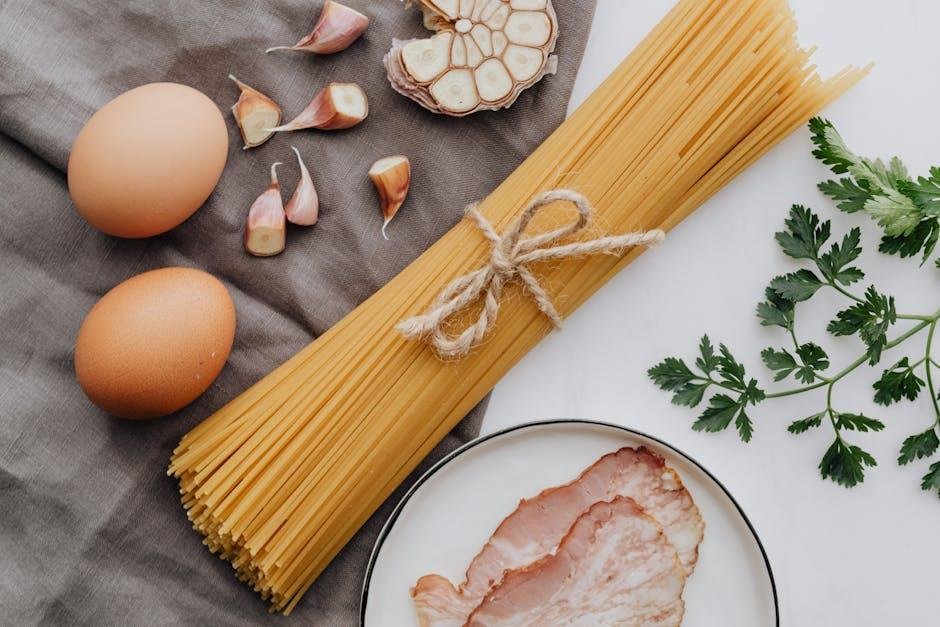
To create pasta that transports your taste buds straight to Italy, it’s essential to select the right ingredients. Focus on sourcing authentic Italian flour, such as “00” grade flour, which is milled specifically for pasta and gives your dishes that classic, silky finish. Pair this with fresh, high-quality eggs—preferably free-range or organic—for a rich flavor and an impeccable texture in your homemade pasta. Don’t overlook the power of Italian olive oil; a robust extra virgin variety elevates your dish and adds a depth of flavor that supermarket brands can’t match.
Additionally, sourcing local ingredients for your sauces can create an even more genuine experience.Look for ripe, seasonal tomatoes, whether they are San Marzano or cherry varieties, which will provide maximum flavor for your pasta sauce. Fresh herbs like basil and oregano are essential—not just for seasoning, but for capturing the vibrant essence of Italian cuisine. To help guide your ingredient sourcing, consider this handy table of must-have items:
| Ingredient | Description | Suggestions |
|---|---|---|
| 00 Flour | Smooth texture for pasta making. | Available at Italian markets or online. |
| Organic Eggs | Rich, velvety pasta | Farmers’ markets or local farms. |
| Extra Virgin Olive Oil | Enhances flavor and adds health benefits. | Imported direct from Italy if possible. |
| Fresh Herbs | Essential for authentic flavor. | Grow your own or buy locally. |
| Fresh tomatoes | Base for sauces. | Look for heirloom varieties. |
Closing Remarks
As we conclude our culinary journey through the enchanting landscape of Italian pasta, we hope you’ve discovered not just the recipes, but also the heart and soul that each dish embodies. Whether you chose to twirl your fork around a luscious spaghetti alla carbonara or savor the comforting embrace of a homemade lasagna, you’ve embarked on a flavor-filled adventure that transcends borders and generations.
Italian cooking is a party of simplicity and quality, inviting you to gather loved ones around the table and share moments that matter. As you bring these authentic pasta recipes into your kitchen, remember that each plate tells a story—of tradition, passion, and a deep-rooted love for food.
So, dust off those floury countertops, roll up your sleeves, and let the aromas of Italy fill your home. With every bite, you’re not just feeding your body; you’re embracing a rich culture that thrives on connection and warmth. buon appetito!