


Title: Foolproof Bread Recipes for Beginners: Your Gateway to Homemade Delight
Introduction:
There’s an unparalleled joy that comes from pulling a freshly baked loaf of bread from the oven, its golden crust crackling gently as it cools. The warm aroma fills the kitchen, weaving its way into the heart of the home, beckoning all to gather ‘round and share in the delightful anticipation of fresh bread. For many, the art of bread-making can seem daunting, with tales of collapsed dough and stubborn yeast often overshadowing the irresistible charm of homemade loaves. But fear not! This article is your gentle guide into the world of baking, providing foolproof recipes that are not only simple but also surprisingly rewarding. Whether you’re a complete novice or someone looking to refine your skills, these bread recipes are designed to inspire confidence and creativity in the kitchen. So, dust off your apron and get ready to embark on a culinary adventure that may just lead to your new favorite pastime—one loaf at a time.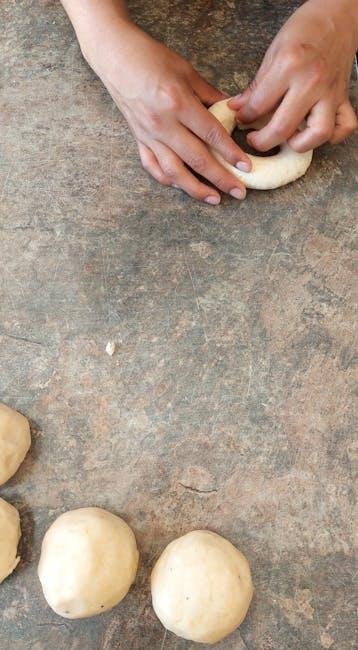
Essential Ingredients for Perfect Bread Every Time
Creating the perfect loaf of bread hinges on using high-quality ingredients. Start with all-purpose flour or bread flour, which contains a higher protein content essential for gluten development, providing the structure and chewiness that characterizes great bread. select instant yeast for its convenience and reliability, allowing you to skip the proofing step while still achieving a steady rise.Don’t overlook the importance of salt; it enhances flavor and strengthens the gluten network, leading to a better texture. consider adding sugar or honey for a touch of sweetness, which not only elevates the taste but also helps with browning during baking.
liquids play a crucial role in bread making,so use filtered water at room temperature to promote yeast activity. For richer flavors, try experimenting with milk or even buttermilk, which can enrich the dough and lend a tender crumb. Incorporate fat in the form of butter or olive oil to create a softer loaf and enhance shelf life. Here’s a quick comparison of common bread ingredients along with their contributions:
| Ingredient | Function |
|---|---|
| Flour | Provides structure |
| Yeast | Allows dough to rise |
| Salt | Enhances flavor & strengthens gluten |
| Liquids | Hydrates flour & activates yeast |
| Sugar | Feeds yeast & adds sweetness |
| fat | Softens texture & extends freshness |
Step-by-Step Techniques to Master the Art of Bread Making
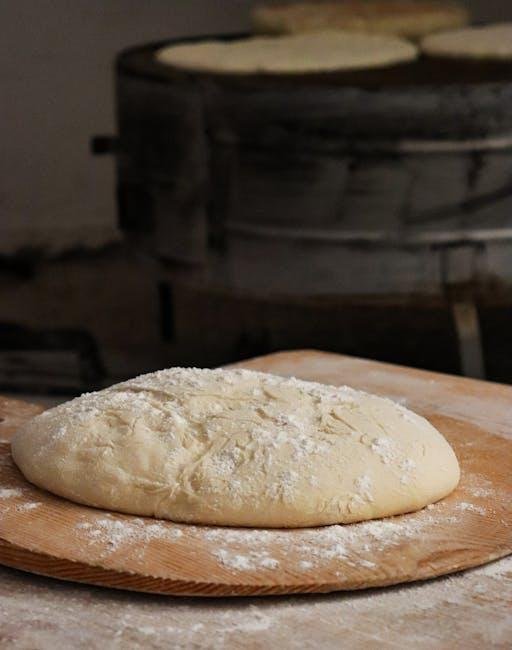
To embark on your bread-making journey,understanding the basic components is crucial.Flour, water, yeast, and salt are the essential ingredients that contribute to the dough’s structure and flavor. Start by selecting your flour; options like all-purpose or bread flour will yield different textures. Once you measure your ingredients,combine them in a mixing bowl until a shaggy dough forms. Don’t forget to activate your yeast if using dry yeast by dissolving it in warm water with a pinch of sugar. This step ensures the yeast is alive and ready to work its magic!
After kneading the dough for about 10 minutes, allow it to rise in a warm place until it doubles in size, which usually takes around 1-2 hours. Cover the bowl with a damp cloth to maintain moisture. Once risen, gently punch down the dough to release air bubbles, and shape it according to your recipe.For a consistent bake, use a loaf pan or baking sheet, ensuring a light dusting of flour to prevent sticking. Here’s a simple table outlining critical rising times for various bread types:
| Type of Bread | First Rise | Second Rise |
|---|---|---|
| White Bread | 1-2 hours | 30-45 minutes |
| Sourdough | 3-5 hours | 2-4 hours |
| Whole wheat | 1-2 hours | 30-60 minutes |

Creative Variations to Elevate Your Baking Experience
Transform your basic bread-making into a creative culinary adventure by experimenting with flavors and ingredients.Here are some fun ideas to get you started:
- Herb-Infused Loaves: Incorporate fresh or dried herbs like rosemary, thyme, or basil to add a fragrant touch to your bread.
- Nutty Variations: Toss in a handful of your favorite nuts or seeds, such as walnuts or sunflower seeds, for an added crunch and health benefits.
- Sweet Twists: Mix in spices such as cinnamon or cardamom, or add dried fruits like raisins or cranberries for a delightful sweetness.
- Cheesy Goodness: Grate some cheese into your dough or sprinkle it on top before baking for a rich, savory flavor.
For those who love exploring textures, consider shaping your loaf into different styles. Here’s a quick table to inspire your creativity:
| Shape | Description |
|---|---|
| Batard | An elongated oval shape, perfect for artisan loaves with a crispy crust. |
| Baguette | Thin, long, and crusty, great for sandwiches or served with cheese. |
| Focaccia | A flat, oven-baked Italian bread, often topped with olive oil and herbs. |
| Pull-Apart Bread | Soft and fluffy, perfect for sharing and filled with flavors like garlic or cheese. |

Common Mistakes and How to avoid Them for Flawless Loaves
To achieve the perfect loaf, understanding the common pitfalls in bread-making is crucial. One frequent mistake is undermixing or overmixing the dough. Undermixing can lead to a loaf that is dense and irregular, while overmixing can result in a tough and chewy texture.To avoid these issues, mix until just combined and allow the dough to rest and develop its gluten naturally during the first rise.Additionally, not measuring ingredients accurately can throw off the delicate balance required in bread dough.Using a digital scale for precision is a best practice that pays off in the end.
Another common issue is improper proofing, which can leave you with disappointing results. Underproofed dough may lead to a loaf that fails to rise adequately in the oven, while overproofed dough can collapse and lose its structure.Keep an eye on your dough, and perform the “poke test” - gently press a finger into the dough; if it springs back slowly, it is ready for baking. Lastly,neglecting to preheat your oven can also hamper the bread’s ability to develop a nice crust. Always ensure your oven reaches the desired temperature before placing your loaf inside for that perfect golden finish.
In Retrospect
As we wrap up our journey through these foolproof bread recipes, it’s clear that baking bread is not just a culinary task; it’s an experience that invites creativity, patience, and even a dash of joy. With each step, from mixing to kneading, and finally to savoring the warm, golden crust fresh from the oven, you’ve not only crafted a tasty product but also woven moments of satisfaction and accomplishment into your day.
So roll up your sleeves, let the aroma of home-baked bread fill your kitchen, and remember: every loaf you bake brings you one step closer to mastering this timeless art.Whether you’re sharing it with loved ones or enjoying it solo, each slice is a testament to your growing confidence as a home baker. Embrace the process, adjust the recipes to suit your taste, and let your newfound skills rise—just like the dough. Happy baking!