


Title: How to Replace Dairy in Your Favorite Recipes: A Culinary Adventure Awaits
In a world increasingly aware of dietary preferences adn restrictions,the quest for delicious alternatives to dairy has never been more relevant. Whether you’re lactose intolerant, vegan, or simply looking to reduce your dairy consumption, many beloved recipes can still shine without their customary creamy, buttery, and cheesy counterparts. This article invites you to embark on a culinary adventure, exploring smart substitutions that can breathe new life into familiar dishes. From rich and velvety sauces to luscious desserts, we’ll guide you through the art of transforming your favorite recipes, ensuring that every bite remains satisfying and flavorful. Join us as we unveil practical tips, ingredient swaps, and creative ideas that will not only cater to your needs but also delight your taste buds along the way. Let’s dive in and discover how to savor the joys of cooking without dairy!
Exploring Dairy Alternatives: A Guide to Flavorful Substitutes
Incorporating dairy alternatives into your cooking doesn’t mean sacrificing flavor or texture. There is a wide range of options available that can enhance your dishes while accommodating dietary preferences. For creamy sauces, coconut milk or cashew cream can provide a rich base, while nut-based cheeses can add depth to your favorite pizza or pasta. Similarly, almond milk or oat milk can serve as perfect substitutes for cow’s milk in baking, offering a subtle sweetness and moistness that can elevate your baked goods. When it comes to yogurt, consider soy yogurt or coconut yogurt, which can be used in dressings or as a base for smooth parfaits.
For those who cherish cheese in their recipes, there are innovative options including nut-based cheeses and fermented vegan cheeses, which not only mimic texture but also provide diverse flavors. When you’re in the mood for a cheesy dip, nutritional yeast can impart a cheesy flavor without the dairy.Eggs can be swapped out with flaxseed meal or chia seeds mixed with water for binding in baking or cooking. With so many flavorful substitutes available, it’s easier than ever to adapt your favorite recipes into delicious dairy-free versions.
| Ingredient | Substitute | Best Use |
|---|---|---|
| Cow’s milk | Almond milk | Baking, smoothies |
| Heavy cream | Coconut cream | Cooking, sauces |
| Butter | Olive oil or coconut oil | Cooking, baking |
| Yogurt | Soy yogurt | dips, desserts |
| Cheese | Nutritional yeast | Seasoning, dips |
Creamy Textures without Dairy: Transforming Sauces and Soups
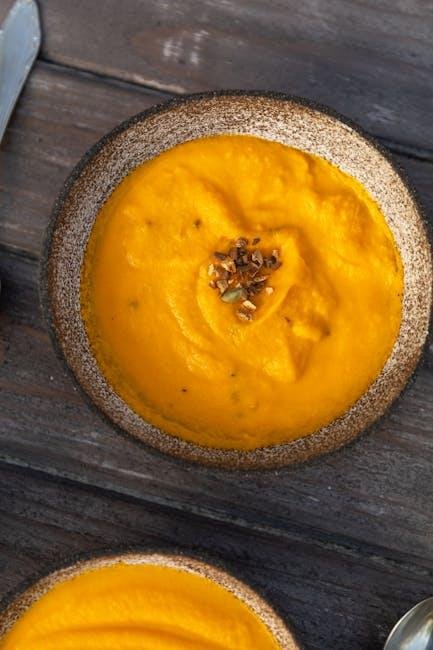
Creating rich, creamy sauces and soups without dairy is not only possible but can also enhance the flavors in your dishes. By incorporating alternative ingredients,you can achieve the desired texture and depth. Cashew cream is a popular choice; simply blend soaked cashews with water to create a smooth, velvety base. Another fantastic option is coconut milk, which offers a subtle sweetness and a luxurious consistency, making it perfect for curries and chowders. Don’t overlook nut-based yogurts and silken tofu; both can be blended until smooth to add creaminess while providing a healthy boost. Experimenting with flavor enhancers like nutmeg or smoked paprika can also contribute to a richer profile in your soups and sauces.
When replacing dairy, it’s essential to balance flavors and textures. Try using the following ingredients to recreate the creaminess in your favorite recipes:
| Ingredient | Best For |
|---|---|
| Cashew Cream | Alfredo sauces, creamy dressings |
| Coconut milk | Curries, tropical soups |
| Sunflower Seed Butter | Thick soups, gravies |
| Silken Tofu | Chowders, dessert sauces |
By exploring these alternatives, you can craft luscious dishes that satisfy your craving for creamy textures without relying on traditional dairy ingredients. Whether you’re adjusting a favorite family recipe or trying out something entirely new, these tweaks will help you enjoy a dairy-free culinary adventure without sacrificing richness or comfort.

Cheesy Goodness Reimagined: Delicious Plant-Based Cheese Options
In today’s culinary landscape, innovation meets tradition with a plethora of plant-based cheese options designed to satisfy your cheesy cravings without the dairy. These products, crafted from nuts, soy, coconut, and even vegetables, bring a new level of indulgence to dishes that once relied heavily on traditional cheese.Consider these enticing alternatives:
- Cashew cheese: Creamy and rich, it’s perfect for spreads and dips.
- Nut-Based Parmesan: A sprinkle of nutritional yeast mixed with ground nuts adds a savory kick to pasta and salads.
- Coconut Cream Cheese: Ideal for bagels, offering a delightful creaminess with a hint of sweetness.
- Tofu Ricotta: blend silken tofu with herbs for a velvety texture suitable for lasagna.
When it comes to enjoying ooey-gooey melted cheese, plant-based options have come a long way. Brands are now producing cheeses that melt beautifully, making them perfect for pizzas, quesadillas, and grilled cheese sandwiches. Often made with a base of tapioca or almond milk, these alternatives provide that familiar stretch and gooey texture you’re looking for.
| Plant-Based cheese | Best Used In |
|---|---|
| Vegan Mozzarella | Pizzas,Pasta Dishes |
| Almond Feta | Salads,Sandwiches |
| Shredded Coconut Cheese | Tacos,Chili |
Baking Without milk: Tips for Replacing Dairy in Sweets and Treats
When you’re looking to bake without milk, the key is to replace it with other ingredients that can provide similar flavor and texture. Here are some great alternatives to consider:
- Nut milk: Almond, cashew, or oat milk can add a subtle nuttiness and moisture to your baked goods.
- Plant-based cream: Coconut cream or soy cream can enrich recipes needing a creamy touch.
- Apple sauce: Besides adding moisture,it also provides a natural sweetness which can enhance flavor.
- Silken tofu: Blended silken tofu can replace milk and is perfect in recipes that require a thicker consistency.
To make your baking even better, keep in mind the texture and flavors of your replacements. For instance, using coconut milk can impart a tropical flair to cakes, while almond milk matches nicely with vanilla or chocolate recipes. Proper measurement is crucial; typically, you can substitute milk in a 1:1 ratio, but the overall taste may vary. If you’re feeling adventurous, you could even experiment with adding a splash of fruit juice or coffee to further enhance your sweets:
| Milk Alternative | Best For |
|---|---|
| Almond Milk | Cookies and Muffins |
| Coconut milk | Cakes and Puddings |
| Oat Milk | Swift Breads and Pancakes |
| Rice Milk | Light Soufflés and Custards |
Closing Remarks
transitioning away from dairy doesn’t mean sacrificing the flavors and comfort of your favorite dishes.With a little creativity and an open mind, you can explore a world of plant-based alternatives that not only match the taste and texture of traditional ingredients but also offer a host of health benefits. Whether you choose creamy cashew sauces, rich coconut milks, or tangy plant-based yogurts, the options are endless. Embrace the possibility to experiment with new flavors and ingredients, and remember, every small step towards a dairy-free lifestyle can lead to delightful discoveries in the kitchen. So grab your apron, gather your ingredients, and embark on this delicious journey of culinary reinvention! Your taste buds will thank you.