
Introduction: The Art of Gluten-Free Bliss
In a world where dietary restrictions frequently enough led to culinary compromises, the realm of gluten-free baking has long been shrouded in doubt and skepticism. For many, the phrase “gluten-free” conjures images of dry, crumbly cookies and flavorless cakes that leave palates longing for the comforting embrace of traditional baked goods. However, a revolution is quietly bubbling beneath the surface, as innovative bakers and chefs explore the vast landscape of gluten-free ingredients, unlocking flavors and textures that rival their gluten-laden counterparts.
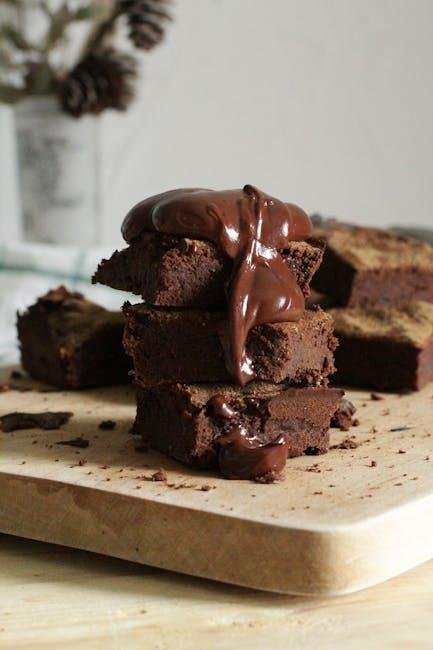
This article delves into the science and artistry of gluten-free baking, showcasing recipes that promise not just edibility, but sublime deliciousness. From the secret to achieving moist, tender cakes to the perfect balance of flavors in decadent brownies, we’ll uncover the tools, techniques, and tips that will transform your perceptions and palate. Join us as we embark on a journey to discover how gluten-free baking can not only meet dietary needs but also tantalize taste buds—proving that, indeed, gluten-free can be synonymous with delightful indulgence.
Exploring a World of Alternative flours for Delicious Results
The world of alternative flours is as diverse as it is delicious, offering a plethora of options for those seeking to indulge in gluten-free baking without compromising on taste. Each type of flour brings its own unique flavors and textures, allowing you to experiment and create mouthwatering treats. Here are a few popular choices that can transform your baking adventures:
- Almond Flour: Ground from whole almonds, this flour adds a subtle nuttiness and is high in protein and healthy fats, perfect for brownies and cookies.
- Coconut Flour: Derived from dried coconut meat, it has a mild sweetness and is highly absorbent, making it ideal for pancakes and muffins.
- Oat Flour: Made from ground oats, it contributes a chewy texture and works wonderfully in breads and desserts.
- Chickpea Flour: Packed with protein and fiber, it lends a hearty quality to savory dishes like pancakes and flatbreads.
To help you navigate the remarkable world of alternative flours, consider the following table outlining key characteristics and recommended uses for some of the most popular gluten-free options:
| flour Type | Texture | Ideal For |
|---|---|---|
| Almond Flour | Coarse | Cakes, Cookies |
| Coconut Flour | Fluffy | Pancakes, Muffins |
| Oat Flour | Smooth | Breads, cookies |
| Chickpea flour | Dense | Flatbreads, Savories |
Each flour type not only contributes to the flavor and texture of your baked goods but also packs in additional nutrients that all bakers can appreciate. By incorporating these alternative flours into your recipe repertoire, you can craft delightful, gluten-free treats that everyone will enjoy, nonetheless of dietary restrictions.
The Art of Balancing Flavors and Textures in Gluten-Free Treats
Creating gluten-free treats that tantalize the taste buds involves an exquisite harmony of flavors and textures.Embracing a variety of gluten-free flours, such as almond, coconut, and oat can greatly enhance the richness of your baked goods. Each flour brings its own unique profile, allowing for a delicate balance that can elevate your desserts from ordinary to remarkable. Pairing these flours with complementary add-ins—like silky chocolate chips, zesty citrus zest, or spicy cinnamon—can create layers of flavor that keep every bite interesting.
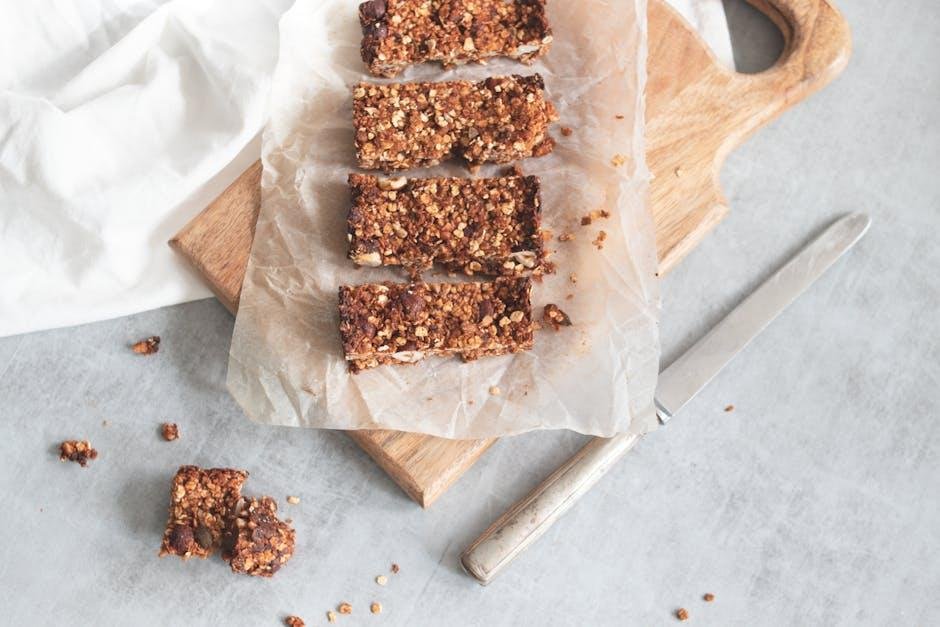
Texture plays a critical role in the enjoyment of gluten-free baking as well. To achieve that coveted contrast between chewiness and crunch,consider incorporating ingredients like toasted nuts or crispy rice cereal. A well-crafted gluten-free treat might also benefit from the addition of moisture-rich elements like mashed bananas or applesauce, which can counterbalance the drier flours. Here’s a quick overview of flavor pairings that can enhance your gluten-free desserts:
| Flavor Profile | Suggested Ingredients |
|---|---|
| Sweet & Fruity | Maple syrup, berries, ripe bananas |
| Rich & Decadent | Dark chocolate, caramel, nut butter |
| Spicy & Warm | Cinnamon, nutmeg, ginger |
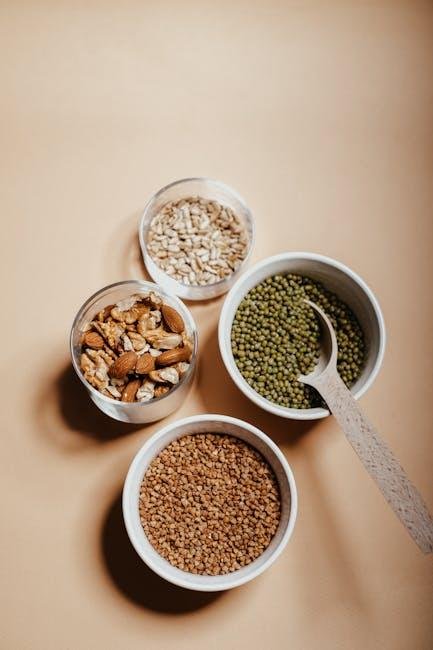
| Nutty & Crunchy | Almonds, pecans, chia seeds |
Essential Baking Techniques to Elevate Your Gluten-Free Creations
Mastering gluten-free baking requires a different mindset and an understanding of core techniques that enhance flavor and texture. start with the right flour blend.Many gluten-free products fail to deliver due to poor quality or imbalanced flour mixtures. A combination of almond flour, brown rice flour, and tapioca starch can create a rich and satisfying base. Experiment with adding xanthan gum or guar gum to improve the structure and elasticity, which are critical for achieving that elusive lightness in your baked goods.
Another essential technique involves moisture management. Gluten-free flours often tend to absorb more liquid than traditional flours, so fine-tuning your liquid ratios is crucial. Incorporate ingredients like applesauce, coconut yogurt, or pureed bananas not only to add moisture but also to infuse natural sweetness and flavor into your creations. Additionally, don’t shy away from technique variations; using methods like the reverse creaming method (mixing butter with dry ingredients first) can help create a tender crumb that rivals wheat-based baked goods. Here’s a quick overview of essential ingredients and their purposes:
| Ingredient | Purpose |
|---|---|
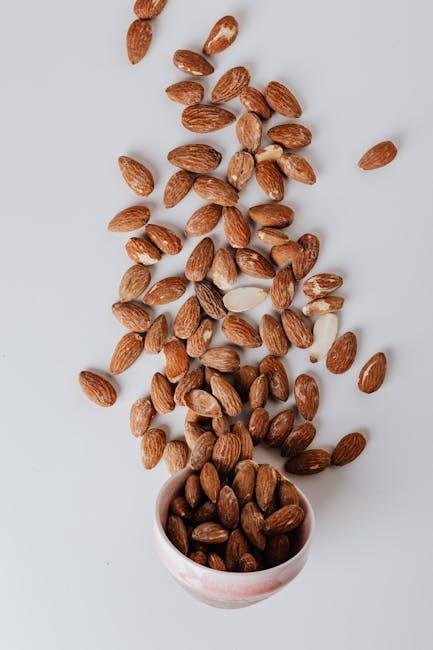
| Almond Flour | Provides moisture and nuttiness |
| Xanthan Gum | Enhances texture and elasticity |
| Applesauce | Increases moisture and adds natural sweetness |
| Coconut Yogurt | adds creaminess and tang |
Sweet Solutions: Tantalizing Recipes That Captivate the Palate
When it comes to baking gluten-free, many apprehend that indulgence might be sacrificed. However, there are delightful alternatives that not only honor dietary restrictions but also tantalize the taste buds! By incorporating ingredients like almond flour, coconut flour, and oat flour, bakers can create decadent cakes, rich brownies, and buttery cookies that hold their own against traditional flour-based treats. Explore options such as honey and maple syrup as natural sweeteners, which add moisture and flavor without compromising health goals.
Here are some essential tips for crafting gluten-free masterpieces:
- Mix It up: Combine different gluten-free flours for the best texture and flavor.
- Stay Moist: Use ingredients like applesauce or yogurt to keep baked goods moist and tender.
- Add Binders: Include xanthan gum or psyllium husk to mimic the structural properties of gluten.
| Ingredient | Benefit |
|---|---|
| Almond Flour | Rich in protein and healthy fats. |
| Coconut Flour | high in fiber; absorbs moisture well. |
| chia Seeds | Excellent binder; enhances nutrition. |
The Way Forward
As we conclude our exploration of gluten-free baking, it becomes clear that the journey toward deliciousness is paved with creativity and a willingness to embrace new ingredients.Gone are the days when gluten-free meant flavorless or dry; today’s innovative bakers are transforming the kitchen into a realm of tantalizing textures and mouthwatering tastes.
Whether you’re a seasoned gluten-free enthusiast or just dipping your toes into this flavorful sea, remember that the key lies in experimentation and an openness to discover the multitude of gluten-free alternatives available. From almond flour to coconut sugar, each ingredient has its own story and can contribute to baking that not only meets dietary needs but also delights the palate.
So, gather your favorite recipes, stock up on those unique ingredients, and allow yourself the joy of creating.Let every rise and fall of your dough be a testament to the notion that gluten-free baking can truly be a delectable adventure. After all, the best bakes are those shared with loved ones—so go ahead, share your creations, and watch as everyone comes back for seconds. Here’s to a world where gluten-free doesn’t just fit a diet—it brings everyone together at the table, celebrating flavor and good company. Happy baking!