

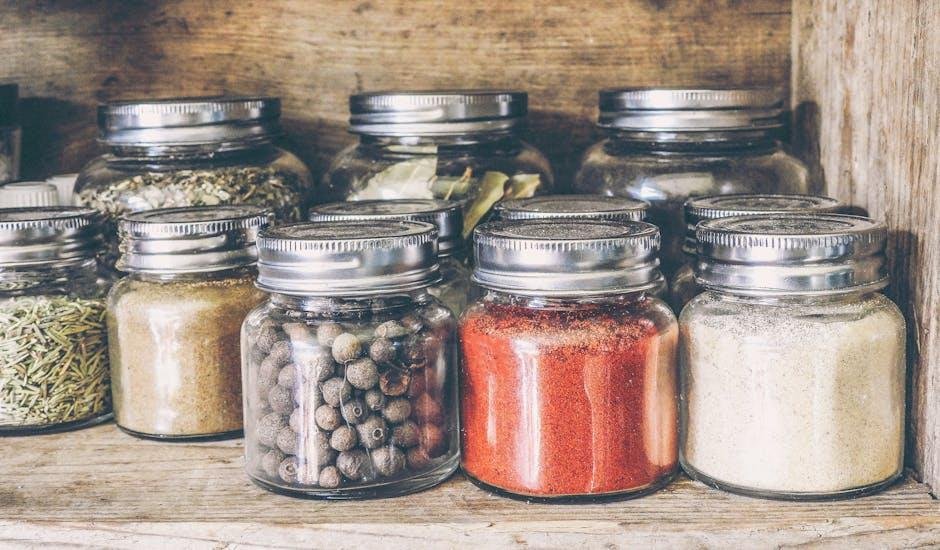
India is a land rich in history, culture, and flavor, with spices that narrate stories of centuries past. Often regarded as the heart of Indian cuisine, spices serve not only to tantalize the taste buds but also to embody the country’s diverse traditions and regional identities. for the novice cook or the curious palate, navigating the vibrant world of Indian spices can seem both enchanting and overwhelming. In this guide,we will embark on a flavorful journey,peeling back the layers of aromatic ingredients that enhance countless dishes across India. From the earthy warmth of cumin to the fiery kick of chili, we will explore essential spices, their unique characteristics, and practical tips for incorporating them into your culinary repertoire. Whether you’re looking to recreate a beloved Indian dish or simply seek to elevate your everyday cooking, this beginner’s guide will serve as your compass through the spice-laden markets and kitchens of India. Join us as we discover the essence of Indian spices and unlock the secrets they hold.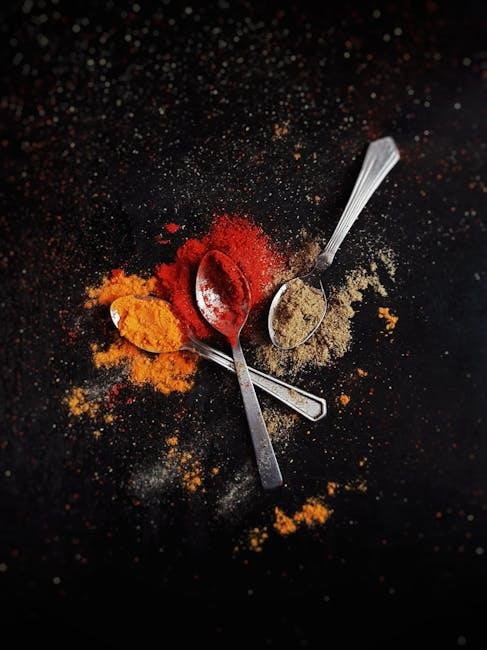
Exploring the Flavorful Palette of Indian Spices
Indian cuisine is a vibrant tapestry woven with an array of spices,each contributing its distinct flavor and health benefits. From the earthy undertones of cumin to the fiery kick of chili powder, thes spices are the soul of Indian cooking. Commonly found in every kitchen, these ingredients not only elevate dishes but also offer numerous health properties. Whether you’re exploring the sweet warmth of cinnamon or the aromatic allure of cardamom, each spice has its own story to tell.The beauty of indian spices is in their versatility – they can be used in marinades, curries, and even desserts, creating a complex layering of flavors that tantalize the palate.
To truly unlock the essence of Indian cooking, understanding the common spices and their characteristics is crucial. Here’s a brief overview that highlights some essential spices:
| Spice | Flavor Profile | Common Uses |
|---|---|---|
| Cumin | Earthy, warm | Curries, soups, spice blends |
| Coriander | Citrusy, sweet | Chutneys, marinades, curries |
| Tumeric | Bitter, warm | Rice dishes, curries, health tonics |
| Mustard Seeds | Nutty, pungent | Pickles, tempering, salads |
| Fenugreek | Sweet, nutty | Curries, breads, sauces |
Embracing these spices will transform your cooking experience and move you closer to the heart of Indian cuisine. Experimenting with combinations such as ginger and garlic, or blending fennel with star anise, can open a gateway to culinary adventure in your own kitchen. the exciting world of Indian spices invites both beginners and seasoned cooks to explore flavors that are as diverse as the culture itself.
Essential Spices for your Indian Pantry
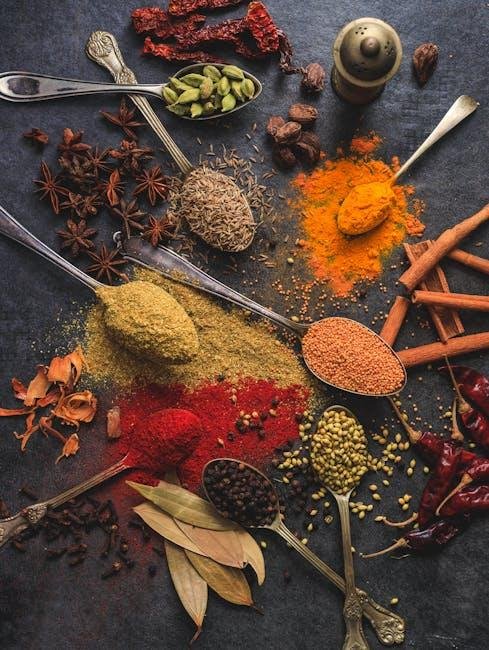
For anyone looking to dive into the vibrant world of Indian cuisine, stocking your pantry with essential spices is key to unlocking a myriad of flavors. Each spice brings its own unique character and aroma, transforming everyday dishes into culinary masterpieces. Consider adding the following staples to your collection:
- Cumin Seeds: Earthy and nutty, these versatile seeds form the backbone of many Indian dishes.
- Coriander Powder: Ground from fresh seeds, it offers a sweet, slightly citrusy flavor that complements everything from curries to marinades.
- Turmeric Powder: Renowned for its vibrant color and health benefits, this spice adds warmth and depth to various recipes.
- Garam Masala: A fragrant blend of spices, garam masala varies by region but typically includes cardamom, cloves, and cinnamon, enhancing the richness of dishes.
- Red Chili Powder: Whether you prefer mild or fiery heat, this spice adds color and spice to your meals.
- Mustard Seeds: Used for tempering, these seeds provide a sharp flavor and add crunch to dishes.
Don’t forget the aromatic herbs and other essentials that round out your spice cabinet.Fresh or dried, these herbs enhance taste and often play key roles in traditional recipes. Notable mentions include:
| Herb | Notes |
|---|---|
| cilantro | Adds freshness and bright flavor to curries and chutneys. |
| Fenugreek Leaves | Offers a slightly bitter, unique flavor often used in dals and pickles. |
| Curry Leaves | Imparts a distinct aroma, essential for south Indian dishes. |
| Bay Leaves | Adds a subtle complexity to stews and biryanis. |
Techniques for Incorporating Spices into Your Cooking
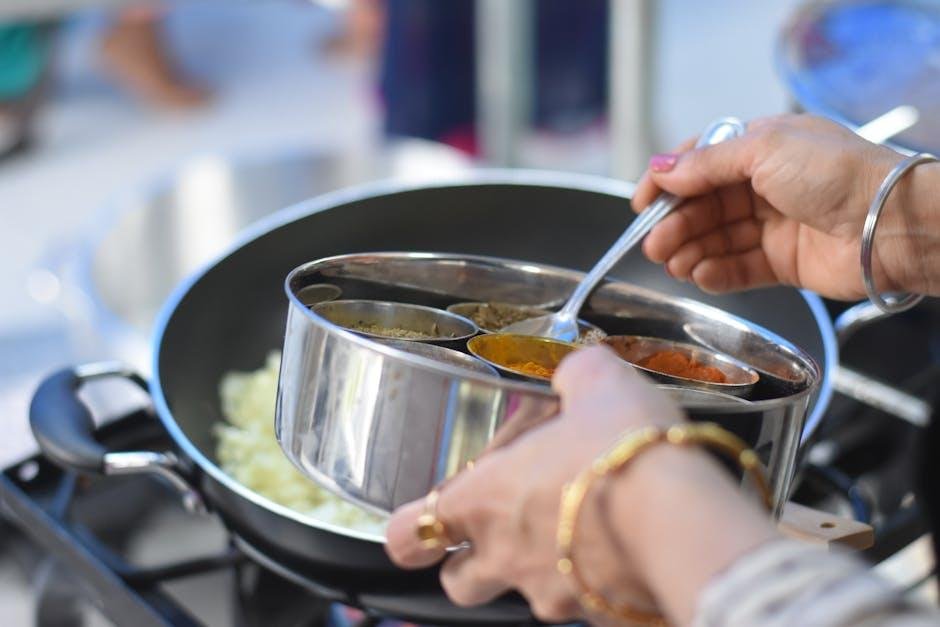
To truly embody the essence of Indian cuisine, experimenting with spices is essential. one effective technique is tempering,which involves heating oil and adding whole spices like cumin,mustard seeds,or curry leaves to release their natural flavors. This method transforms the oil into a fragrant base that enhances dishes such as curries and stir-fries. Another approach is to create a spice blend, known as masala. A personalized mix, combining spices like coriander, turmeric, and ginger, can provide depth and richness to everyday meals, from rice dishes to roasted vegetables.
Understanding the timing of spice incorporation is key for maximum flavor extraction. As an example, adding ground spices at the beginning of cooking allows their flavors to meld, resulting in a harmonious dish. Conversely, reserving the addition of certain spices like cayenne or garam masala until the end of cooking can give your meal that fresh punch. Use the following table to grasp the basic pairing of spices with different cooking stages:
| Spice | timing | Flavor Profile |
|---|---|---|
| Cumin | Beginning | Earthy and warm |
| Turmeric | Beginning | Golden and slightly bitter |
| Garam Masala | End | Complex and aromatic |
| Cayenne | End | Spicy and vibrant |
Health Benefits of India’s Diverse Spice Spectrum
India’s rich culinary landscape is adorned with a treasure trove of spices, each offering unique flavors and a plethora of health benefits. Turmeric, frequently enough hailed as a golden spice, boasts anti-inflammatory properties thanks to its active compound, curcumin. It serves as a powerful antioxidant and may help in boosting brain function. Likewise, cumin not only enhances the taste of dishes but also aids in digestion and can help in maintaining blood sugar levels.A myriad of spices, including ginger and cinnamon, have been shown to fight infections and improve heart health, demonstrating that flavor and wellness can go hand in hand.
The diversity of these spices extends beyond mere taste; they serve as natural remedies that can enhance overall well-being. For instance, black pepper is known to enhance nutrient absorption in the body, while cardamom provides anti-anxiety effects and may aid in oral health. Below is a table that encapsulates some of these properties:
| Spice | Health Benefits |
|---|---|
| Turmeric | Anti-inflammatory,antioxidant |
| Cumin | Aids digestion,stabilizes blood sugar |
| Ginger | Combats nausea,improves digestion |
| Cinnamon | Regulates blood sugar,heart health |
| Black Pepper | enhances nutrient absorption |
| Cardamom | Anti-anxiety,oral health |
In Summary
As we conclude our aromatic journey through “The Spices of India,” it becomes clear that these vibrant ingredients are more than just seasonings; they are the heart and soul of a culinary tradition that spans millennia. Each spice carries with it stories of ancient civilizations, cultural exchanges, and the relentless pursuit of flavor.
For beginners, embarking on this exploration may feel daunting at first, but remember that the beauty of Indian spices lies in their versatility. Whether you’re aiming to craft the perfect curry, infuse dishes with warmth, or simply add a touch of color to your meals, the spices of India invite you to experiment with an open mind and palate.
So, gather your spices, embrace the art of blending, and let your kitchen become a canvas for your culinary creativity. As you sprinkle and stir,feel the connection to a rich heritage that celebrates diversity in every dish. we hope this guide has inspired you to embark on your own flavorful adventures, as the world of Indian spices awaits—ready to transform your cooking into a tapestry of tastes and aromas. happy cooking!