

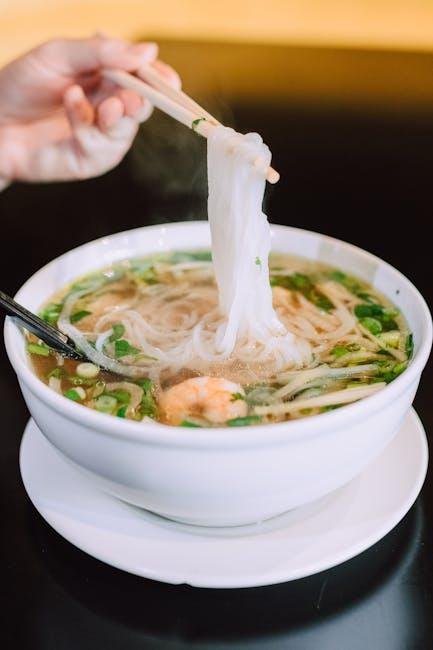
In teh bustling streets of Vietnam, where the sounds of laughter and the sizzling of street food vendors create a vibrant tapestry of daily life, one dish stands out as a comforting staple: pho. This fragrant soup, with its rich, aromatic broth and delicate noodles, has captured the hearts and palates of people around the world. More than just a meal, Vietnamese pho is a cultural emblem, a culinary tradition steeped in history, and a bowl of comfort that nourishes both body and soul. Join us on a flavorful journey as we explore the origins of this beloved dish, the art of its planning, and the deep connections it fosters among those who gather around its steamy embrace. Whether it’s a quiet breakfast or a festive family gathering, pho transcends the simple act of eating; it invites us to share stories, create memories, and experience the warmth of Vietnamese hospitality, one spoonful at a time.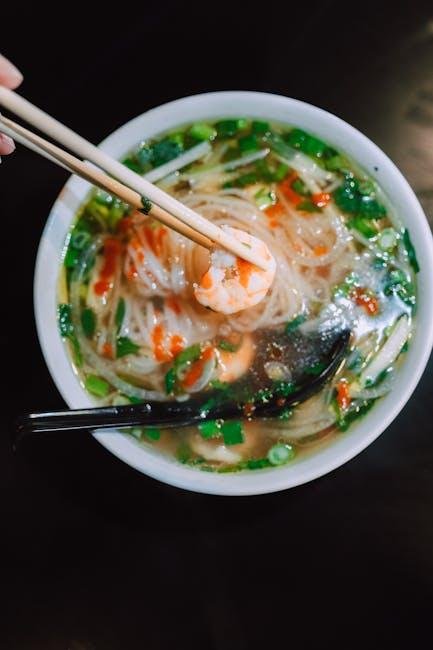
The Art of Crafting Authentic Pho Broth
The essence of a remarkable bowl of pho lies within its broth, a deep, fragrant concoction that serves as the heart of this beloved Vietnamese dish. Crafting the perfect pho broth is an art form that combines patience and passion. The process begins with quality bones, preferably beef, simmered slowly for hours to extract every ounce of flavor. As these bones release thier goodness, the broth transforms into a savory elixir. The addition of spices such as star anise, cinnamon sticks, and cardamom pods infuses the broth with aromatic complexity, while generous portions of onion and ginger, charred to perfection, impart a smoky sweetness that rounds out the profile.
To achieve a broth that speaks to the soul, consider these essential tips:
- Quality Ingredients: Use grass-fed beef bones and fresh herbs.
- Simmer Time: Allow the broth to bubble gently for at least 6-12 hours.
- Skim Regularly: remove impurities and foam to clarify the broth.
- Season Gradually: Balance salt and umami as the broth concentrates.
Each step is a dance, harmonizing flavors that build the foundation for a comforting bowl of pho. Finish with a final infusion of fresh herbs right before serving, ensuring each bowl is as vibrant and lively as the streets of Vietnam.

Unpacking the Essential Ingredients of a Soulful Experience
At the heart of every savory bowl of Vietnamese pho lies a symphony of flavors that come together to create a truly soulful experience. The rich broth, simmered for hours with a medley of aromatic herbs and spices, serves as the foundation.It is indeed crafted from bones that yield not just flavor but a sense of warmth and comfort, reminiscent of home. Key ingredients such as star anise,cloves,and cinnamon infuse the broth with a unique depth,allowing each spoonful to tell a story of tradition and love. The fresh herbs added at the moment of serving—basil,cilantro,and lime—enhance the simple yet profound essence of the dish,inviting diners to customize their experience with every bite.
The noodles play their own crucial role in this culinary masterpiece. Rice noodles, soft yet resilient, serve as the perfect vessel to absorb the flavors of the broth. Topped with succulent slices of beef or chicken, the dish transforms into a satisfying meal that nourishes both body and spirit. A journey through the world of pho isn’t complete without its accompanying condiments: a splash of hoisin sauce, a dash of sriracha, or even bean sprouts, each reflecting the vibrant culture of Vietnam. It’s within these carefully chosen ingredients that the true magic of pho resides, creating not just a dish, but an experience that sustains the soul.
Exploring regional Variations of Pho Across Vietnam
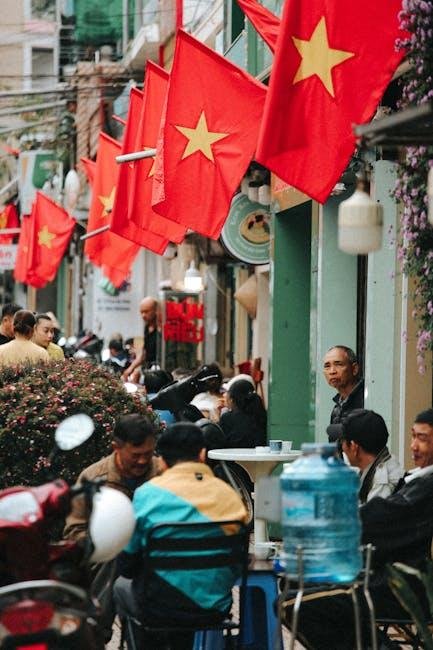
Vietnam boasts an array of regional interpretations of pho, reflecting the diverse cultures and traditions that shape this iconic dish. In the north, particularly in Hanoi, pho is characterized by its clean, aromatic broth that is frequently enough served with a generous helping of fresh herbs, lime, and chili. The focus here is on simplicity and balance—a few slices of beef or chicken, alongside a rich, savory broth made from simmered bones. This classic style is often accompanied by thin rice noodles designed to absorb the flavors without overwhelming the palate, making each slurp a delightful experience.
Traveling southward to Ho Chi Minh City, pho takes on a bolder personality. Here, the broth is usually sweeter, enhanced by spices like star anise and cinnamon, and the garnishes become more elaborate. Diners can expect to find a variety of toppings, such as bean sprouts, Thai basil, and even fried shallots. The southern version often includes more meat options, accommodating a greater variety of palates. below is a quick comparison of the distinctive elements of northern and southern pho:
| Aspect | Northern Pho | Southern Pho |
|---|---|---|
| Broth | Clear, aromatic, and lighter | Richer, sweeter with bolder spices |
| Garnishes | Simple: herbs and lime | Elaborate: bean sprouts, fried shallots |
| Meat Options | Customary beef or chicken | Variety of meats, including brisket and tripe |
Savoring Pho: Tips for the Perfect Bowl at Home
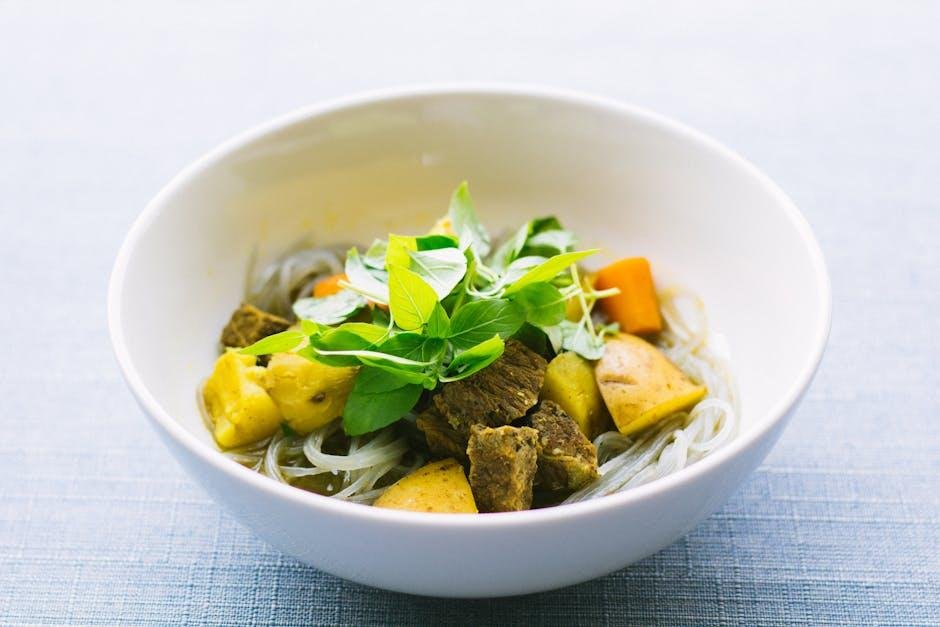
To craft the ultimate bowl of pho at home, start with a rich broth that serves as the heart of this beloved dish. Begin by simmering beef bones or chicken carcasses with aromatic spices such as star anise, cloves, and cinnamon. Add a few charred onions and ginger for depth of flavor. The longer you let it simmer, the more intense and satisfying the broth will become. Remember to skim off any impurities that rise to the surface, ensuring a clear and tasty base for your soup. Taste and adjust seasoning with fish sauce and a hint of sugar for balance, keeping it savory yet subtly sweet.
Next, pay close attention to your noodle preparation and toppings. Choose flat rice noodles for the traditional texture, and blanch them just before serving to achieve the perfect chewiness. Assemble your pho with a generous portion of noodles, followed by the hot broth that will cook the fresh herbs placed on top. Consider aromatic additions like Thai basil, bean sprouts, and lime wedges to enhance the dish. For added protein, thinly sliced raw beef or cooked chicken can be beautifully combined.Set up a topping bar so everyone can customize their bowl, making it a delightful experience for all!
the Conclusion
As we come to the end of our exploration into the world of Vietnamese Pho, it’s clear that this beloved dish transcends mere sustenance. Each bowl is a testament to the art of culinary storytelling, where every ingredient plays a role in a rich narrative woven from tradition, culture, and community. The fragrant broth, tender noodles, and vibrant herbs come together to create more than just a meal; they offer a comforting embrace, a moment of connection, and a party of life’s simple joys.
Whether enjoyed on bustling streets of Hanoi or in the cozy corners of a local eatery, Pho is a reminder that food can nourish not just the body, but also the spirit.As you sip from your bowl and savor each delectable bite, you’re partaking in a tradition that has traveled through generations, bridging the past with the present.So next time you find yourself with a steaming bowl of Pho, take a moment to appreciate its depth, warmth, and the stories it carries—a true testament to the saying that sometimes, the simplest dishes can indeed feed the soul.