

10 Dishes You Must Try in Spain: A Culinary Journey through the Heart of Flavor
Spain is a land were tradition and innovation dance together on every plate, a tapestry of flavors woven from centuries of rich history and regional diversity. From the sun-kissed shores of the Mediterranean too the lush valleys of the north, each region boasts its own unique culinary heritage that beckons to be explored. Whether you’re a seasoned food lover or an adventurous traveler, the vibrant gastronomy of spain offers an array of dishes that can ignite your senses and satisfy your palate.in this article, we invite you to embark on a culinary journey through the heart of Spain, uncovering 10 must-try dishes that celebrate the contry’s exceptional ingredients, time-honored techniques, and unparalleled passion for food. Prepare to be inspired by the colors, aromas, and unforgettable tastes that define Spanish cuisine!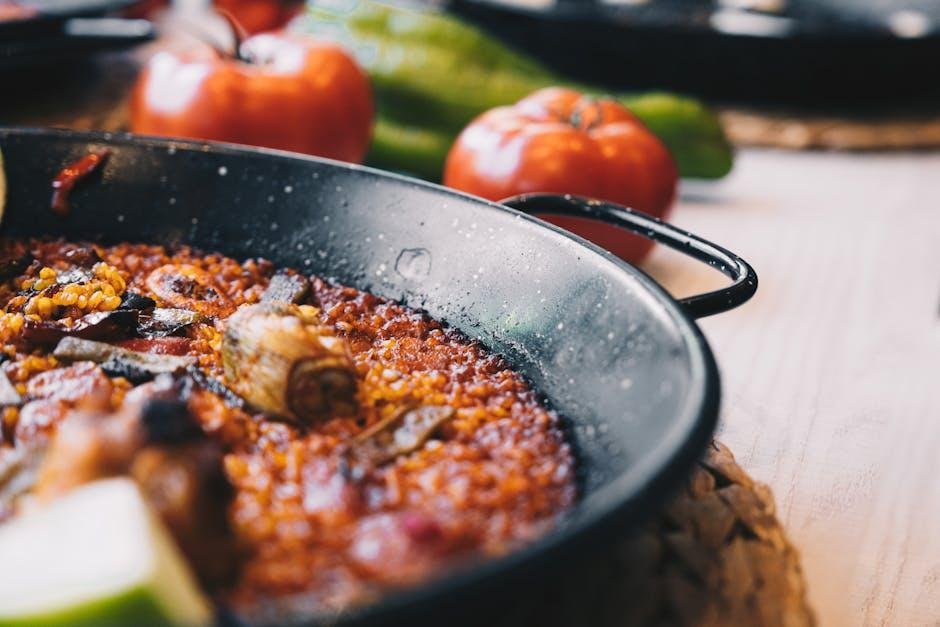
Essential Spanish Flavors to Savor
When exploring the culinary landscape of Spain, you’ll find a diverse array of flavors that capture the essence of the region’s rich history and culture. Olive oil, a staple of Spanish cuisine, is often used generously, lending dishes a fruity richness that elevates every bite. Additionally, the vibrant zing of saffron, the world’s most expensive spice, colors customary dishes such as paella, infusing them with an unmistakable warmth.Other essential ingredients include smoky paprika from La Vera and the aromatic herbs like rosemary and thyme, which add depth to stews and grilled meats.
Spanish cuisine is also renowned for its variety of textures and preparations that complement each other beautifully. The beloved tapas culture offers a playful way to enjoy various dishes, from crispy patatas bravas drizzled with spicy aioli to chorizo al vino, bringing together a symphony of flavors in a single sitting. Don’t forget to savor the famous Jamón Ibérico, a dry-cured ham celebrated for its melt-in-your-mouth richness and nutty taste.To truly experience Spain’s diverse palate, consider trying:
| Dish | Main Ingredients |
|---|---|
| paella | Rice, saffron, seafood or meats |
| Tapas | Variety of small dishes |
| Gazpacho | Tomatoes, cucumbers, peppers, garlic |
| Churros | Dough, sugar, chocolate sauce |
Regional Specialties and Their Unique Ingredients
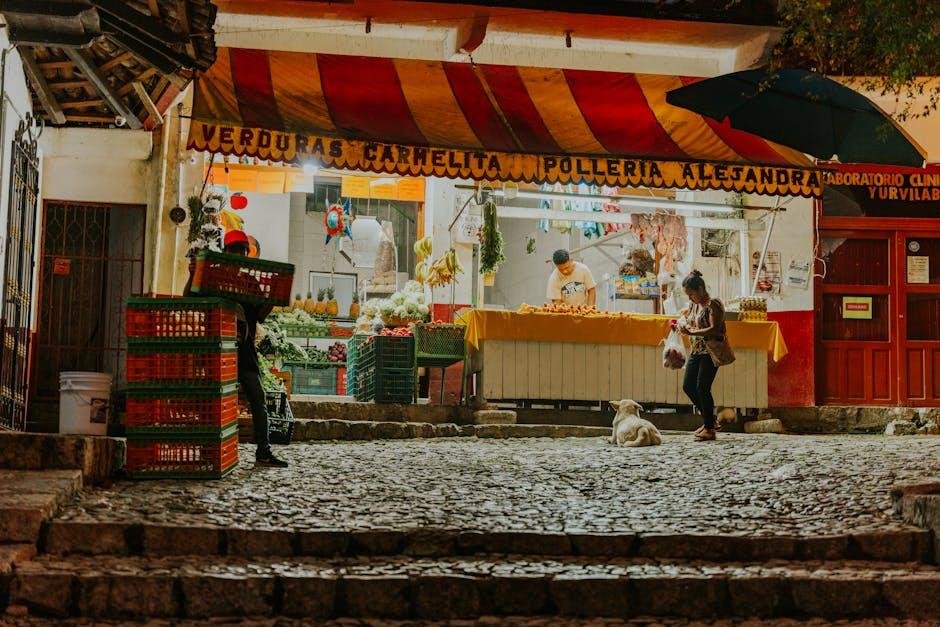
Spain is a tapestry of regional cuisines, each revealing a narrative told through its unique ingredients. In the coastal areas,such as Catalonia and Valencia,seafood takes center stage. signature dishes like Paella feature fresh fish, shellfish, and local vegetables, emphasizing the vibrant colors and flavors of the Mediterranean. On the other hand, the Basque Country is known for its use of txakoli, a slightly sparkling white wine that pairs perfectly with pintxos—small bites that showcase local delicacies like anchovies, peppers, and artisan cheeses. Each region not only boasts distinct flavors but also reflects the local climate, geography, and heritage.
Moving inland, Castile offers hearty, rustic dishes. Here, roasted lamb seasoned with aromatic herbs takes pride of place, while Cocido, a traditional stew, brings together a variety of meats and vegetables simmered to perfection. To complement these rich flavors, regions such as andalusia celebrate the use of olive oil, known for its unparalleled quality, making it a key ingredient in dishes like Salmorejo, a cold tomato soup garnished with hard-boiled eggs and ham.The interplay of land and sea, along with centuries-old traditions, crafts an unforgettable culinary journey across Spain that every food enthusiast should experience.
Dining Etiquette and Tips for the Ultimate Experience
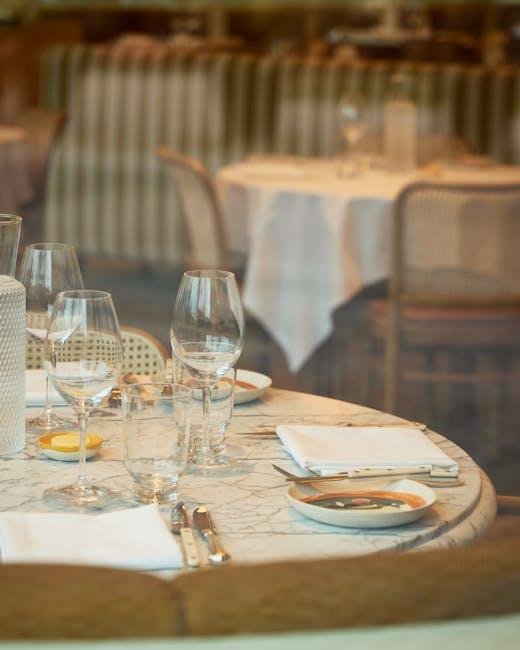
To fully immerse yourself in the culinary delights of Spain, it’s critically important to embrace the local dining customs. Meal times tend to be later than in many other countries, so don’t be surprised if dinner starts after 9 PM. When entering a restaurant, greet the staff with a friendly ‘hola’ and always say ‘gracias’ to show thankfulness for the service. Once seated, be prepared to share dishes; communal dining is not only common but encouraged, allowing everyone to savor different flavors together. Here are some essential tips for a delightful dining experience:
- Try the tapas: Start with a variety of small plates to sample a diverse range of flavors.
- Enjoy leisurely meals: Take your time—Spanish culture values the experience over speed.
- Pair with local wines: Explore regional wine pairings to enhance your meal.
- Practice ‘sobremesa’: Indulge in conversation after the meal, which is a cherished tradition.
Understanding the importance of each dish can enhance your enjoyment.As an example, the iconic paella, hailing from Valencia, represents a communal spirit, frequently enough enjoyed during family gatherings. When indulging in churros, two different dipping sauces—rich hot chocolate and sweet sugar—are essential for the true experience. Don’t overlook the importance of presentation; striking a balance between color and arrangement on the plate reflects the artistry in Spanish cuisine.Below is a rapid reference table summarizing some of the highlights:
| dish | Main Ingredients | Region |
|---|---|---|
| Tapas | Varies (Meats, Seafood, Veggies) | Nationwide |
| Paella | Rice, Saffron, Seafoods, Chicken | Valencia |
| Churros | Flour, Sugar, Water | Nationwide |
| Tortilla Española | Eggs, Potatoes, Onion | Nationwide |
| Gazpacho | Tomatoes, Peppers, Cucumber | Andalusia |

Pairing Your Meal with Traditional Spanish Beverages
When indulging in the rich flavors of Spanish cuisine, pairing your meal with traditional beverages can elevate the experience and enhance the taste of each dish. Sangria, a refreshing blend of red wine, chopped fruit, and various flavorings, is a perfect match for grilled meats and spicy tapas.For a lighter option, consider tinto de verano, a chilled drink made with red wine and lemon soda, which complements dishes like gazpacho wonderfully. Each sip invites the palate to explore new dimensions of flavor, aligning smoothly with the vibrant essence of Spanish gastronomy.
Don’t overlook the local spirits when choosing your accompaniment.Traditional sherry, particularly fino or manzanilla, pairs exquisitely with seafood dishes like paella or pulpo a la gallega due to its briny undertones.Additionally, for a sweet finish, opt for a glass of horchata, the nutty, creamy beverage made from tiger nuts, which complements rich desserts like tarta de Santiago. Each beverage choice brings a unique essence of Spain to your dining table, perfectly harmonizing with the exquisite flavors of your meal.
The Way Forward
As you embark on your culinary journey through Spain, remember that each plate is a story waiting to be savored. From the vibrant markets of Barcelona to the sun-drenched streets of Seville, the flavors of this diverse nation beckon you to explore its rich tapestry of culture and tradition. Whether it’s the comforting embrace of a hearty paella or the unexpected delight of a regional tapa, each dish encapsulates the spirit of its surroundings and the warmth of its people. So, pack your appetite and immerse yourself in the gastronomic adventure that awaits. Spain’s culinary wonders are not just meals; thay’re an invitation to connect with a land steeped in history and passion. Bon appétit!